
Mount Toubkal Trek Morocco: The Ultimate High Atlas Adventure
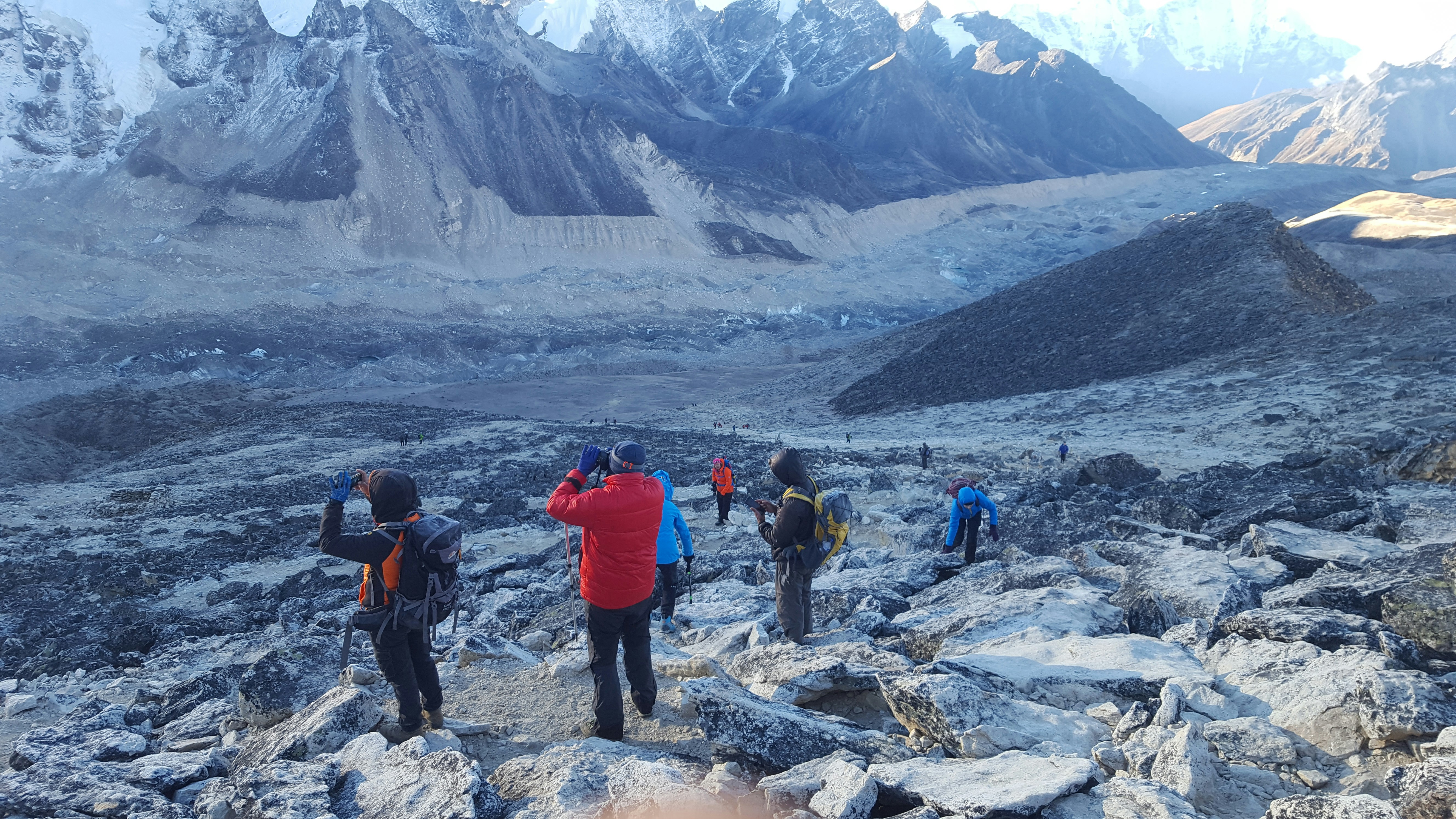
Mount Toubkal Trek Morocco: The Ultimate High Atlas Adventure
Introduction to the Toubkal Trek
The Toubkal Trek is an iconic trekking route located in the High Atlas Mountains of Morocco, specifically focusing on Mount Toubkal, which is the highest peak in North Africa at 4,167 meters above sea level. This trek is not only popular among adventure enthusiasts but also considered a must-visit destination for nature lovers and cultural aficionados alike. It serves as a gateway for those seeking to explore the unparalleled beauty of the Atlas Mountains and experience the rich Moroccan heritage that surrounds this majestic region.
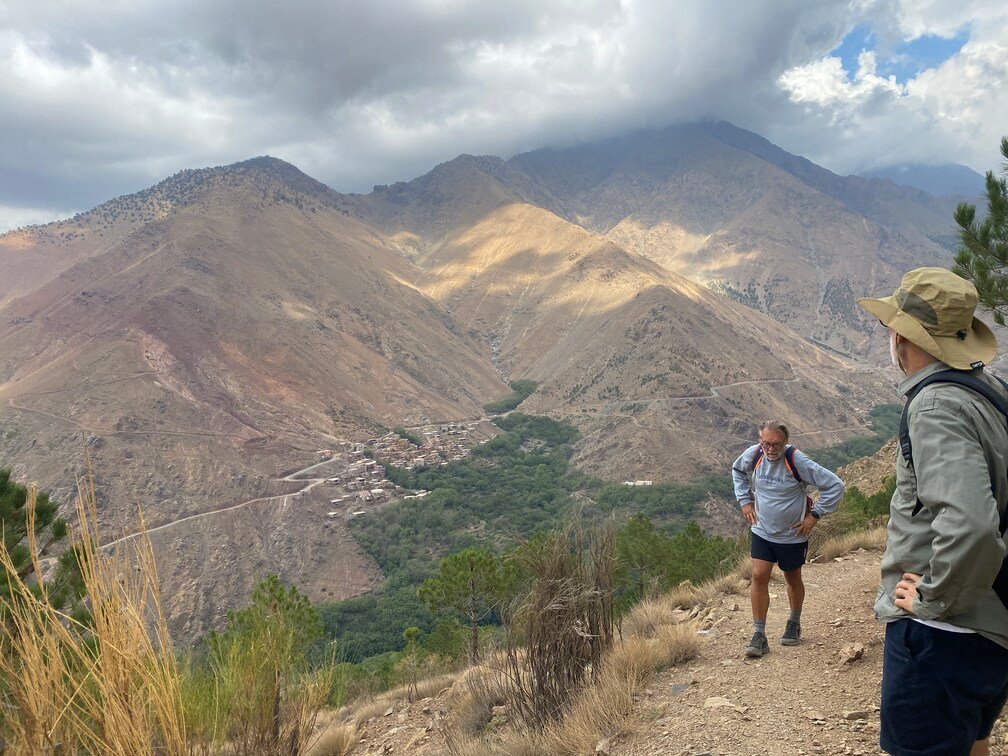
As one embarks on the Toubkal Trek, they will be treated to breathtaking landscapes featuring rugged mountain terrain, lush valleys, and picturesque Berber villages. The trek allows for encounters with the striking diversity of flora and fauna native to the area. Trekkers can expect to witness stunning panoramas that shift dramatically as they ascend, from arid plains to verdant hills and rocky outcrops. Each step taken in this remarkable environment brings a deeper appreciation for the natural beauty embedded within the Atlas Mountains.
With its well-marked trails and numerous established paths, the Toubkal Trek is accessible to a variety of trekking enthusiasts, whether they are beginners or seasoned climbers. The significance of this trek is amplified by its cultural richness, as trekkers often find themselves immersed in local traditions, engaging with the Berber communities that inhabit the region. This journey not only offers physical challenges but also an opportunity for personal growth through interaction with the stunning natural scenery and vibrant local culture.
Whether one aims to conquer the heights of Mount Toubkal or simply enjoy the majestic surroundings, trekking in the Atlas Mountains promises an unforgettable experience.
What to Expect on the Trek
Embarking on the Toubkal trek offers adventurers a unique blend of natural beauty and physical challenge. The trekking route typically spans over two to three days, depending on the chosen itinerary and pace of the group. Trekkers can expect to navigate a range of terrains, from well-defined paths through lush valleys to steeper, rocky ascents that require careful footing and stamina.
The trek usually commences from the village of Imlil, located at approximately 1,740 meters above sea level. The initial stage takes you through scenic trails filled with terraced fields and traditional Berber villages, allowing trekkers a glimpse into the local culture. The ascent continues towards the Toubkal Base Camp, situated at around 3,200 meters. This section, which covers about 6 to 7 hours of hiking, presents several physical demands; the elevation gain can lead to altitude sickness if proper acclimatization is not observed.
As part of the Atlas trek guide, it’s important to be prepared for unpredictable weather conditions, which can vary significantly from one day to the next. The trails may be muddy or slippery after rain, and snow may cover higher altitudes during the colder months. Trekkers should anticipate varying temperatures, particularly during the night, when it can become quite cold, necessitating adequate gear to ensure comfort and safety.
Upon reaching the summit of Toubkal, at 4,167 meters, hikers will encounter rewarding panoramic views of the surrounding High Atlas range. This ascent typically requires 3 to 5 hours of climbing from the Base Camp, presenting a significant challenge that many consider the highlight of the trekking experience. The climb Toubkal is truly rewarding, offering both stunning scenery and a sense of achievement following the physical demands of the journey. Overall, the trek allows for moments of reflection on the beauty of nature, alongside the thrill of exploration.
Best Time to Trek Toubkal
The Toubkal Trek, nestled within the majestic High Atlas Mountains of Morocco, experiences distinct seasonal variations that influence the trekking conditions and overall experience. The optimal time to plan your ascent typically falls between May and October, when the weather is generally mild and stable. Spring (May to June) presents an appealing option, with blooming flora and cooler temperatures, creating a lush backdrop for trekking in the Atlas Mountains. During this time, daytime temperatures can range from 15°C to 25°C, making it comfortable for hikers.
Summer (July to August) is another popular season for the climb to Toubkal, particularly among more experienced trekkers. While temperatures can rise significantly, often reaching up to 30°C in the valleys, the higher altitudes maintain cooler conditions. This period also involves the annual influx of tourists, resulting in a lively atmosphere. However, trekkers should be prepared for larger crowds, especially at the base camp.
As autumn approaches in September and October, the conditions begin to shift. The weather remains generally favorable, with clear skies and pleasant temperatures, while the tourist numbers decline, offering a more tranquil trekking experience. The autumn colors provide a striking contrast against the rugged landscape, enhancing the visual appeal of the trek.
Throughout the winter months, from November to April, the conditions change dramatically. Snowfall becomes common, making the climb considerably more challenging and accessible primarily to those with winter trekking experience and appropriate gear. The mesmerizing snowy vistas during this time can be breathtaking, yet they require additional preparation.
In conclusion, trekkers should carefully consider the seasonal variations when planning their ascent of Toubkal. Each season offers unique experiences, allowing for personal preferences to dictate the perfect time for your adventure in the Atlas Mountains.
Essential Gear and Preparation
Embarking on the climb Toubkal requires careful planning and the right gear to ensure safety and comfort during the trekking in Atlas Mountains. One of the most critical aspects of preparation is choosing appropriate clothing. Layering is essential due to rapidly changing weather conditions at high altitudes. Start with a moisture-wicking base layer, followed by an insulating layer, and finish with a waterproof and windproof outer shell. This system allows trekkers to adjust their clothing based on temperature fluctuations encountered during the trek.
Footwear is another vital consideration. Invest in quality hiking boots that provide good ankle support and provide traction on varied terrain. It is also advisable to break in new boots before the trek to avoid blisters. Wearing moisture-wicking socks will help prevent dampness and blisters during long days of trekking. Trekking poles may also be beneficial, particularly for descent, as they help reduce strain on the knees and improve stability on uneven ground.
Aside from clothing and footwear, proper hydration is essential. Carry a durable water bottle or hydration pack to ensure access to fluids throughout the climb Toubkal. A portable water filter or purification tablets are also recommended, given the natural water sources along the trek may not always be safe for direct consumption.
Physical preparation plays a crucial role in successfully completing your atlas trek. Engage in regular aerobic exercises, such as running or cycling, and incorporate strength training to enhance your endurance and stability. Gradual acclimatization to higher altitudes can significantly improve your body’s adaptation to the conditions you will face. Arriving at the base the day prior and taking shorter hikes will assist greatly in this process.
In summary, thorough preparation, including the right gear and physical readiness, will greatly enhance your experience trekking in the Atlas Mountains, allowing you to fully appreciate the majestic views and natural beauty surrounding the Toubkal summit.
Safety Considerations on the Toubkal Trek
The Toubkal trek is a remarkable experience that offers stunning views of Morocco’s High Atlas Mountains. However, as with any high-altitude journey, there are safety considerations that trekkers must be aware of to ensure a successful and enjoyable adventure. One of the primary risks faced during the Toubkal trek is altitude sickness, which can affect anyone, regardless of fitness level. As the trek ascends to the summit of Mount Toubkal, the elevation can exceed 4,000 meters (13,000 feet). Trekkers should acclimatize gradually, take it easy on the initial days, and remain aware of symptoms such as headaches, nausea, and dizziness.
Weather changes are another significant safety concern while trekking in the Atlas Mountains. The region is known for its unpredictable weather patterns, with conditions that may shift rapidly from sunny and warm to cold and rainy. It is imperative to check weather forecasts before setting out and bring appropriate gear, including waterproof jackets, warm clothing, and sun protection. Being caught off guard by weather changes can lead to discomfort or even accidents.
Moreover, navigating the often steep and rugged paths of the Toubkal trek requires careful attention. Trekkers should ensure they are equipped with proper footwear and trekking poles, which can enhance stability on rocky terrain. It is advisable to stay on marked trails and avoid shortcuts that may pose safety hazards. Joining a guided tour can greatly enhance safety; a knowledgeable atlas trek guide will be familiar with the routes and able to assist in the event of an emergency.
Being prepared for these challenges is critical for a safe and successful Toubkal trek. By recognizing potential risks and planning accordingly, trekkers can immerse themselves in the breathtaking beauty of the Atlas Mountains while ensuring their safety on this unforgettable journey.
The Advantages of Booking with Trusted Companies
When planning to climb Toubkal, booking with trusted and reputable tour companies offers numerous advantages that enhance the overall trekking experience. Firstly, these companies bring a wealth of expertise and local knowledge that can be crucial for a successful trek in the Atlas Mountains. With their experience, they can provide detailed itineraries tailored to various fitness levels and preferences, ensuring that each trekker finds a suitable route through the diverse landscapes.
In addition to personalized planning, safety is a paramount concern during trekking in the Atlas Mountains. Trusted companies prioritize the well-being of their clients by conducting safety briefings, providing appropriate gear, and employing experienced guides who are familiar with the terrain. These guides are well-trained in first aid and emergency procedures, which adds an extra layer of reassurance for trekkers embarking on their journey.
Moreover, reputable tour operators understand the cultural and environmental significance of the areas they traverse. They tend to employ local guides, which not only enriches the trekking experience with authentic insights into the local culture but also supports the community economically. Many top Atlas trek guides can share stories and historical contexts that allow trekkers to connect more deeply with the surroundings.
Support services are another key advantage provided by professional trekking companies. These services often include logistical arrangements such as accommodations, meal provisions, and transportation, allowing trekkers to focus solely on the experience rather than the details. Such companies frequently offer opportunities for group interactions, enhancing camaraderie among participants and making the trek more enjoyable.
In conclusion, booking with trusted companies for your Toubkal Trek guarantees a well-rounded experience characterized by expert knowledge, safety, local insights, and comprehensive support services, all of which contribute to an unforgettable adventure in Morocco’s majestic High Atlas Mountains.
Interaction with Local Culture
Trekking in the Atlas Mountains offers not only breathtaking views and challenging terrain but also a rich tapestry of cultural experiences that are integral to the journey. As you climb Toubkal, you will find yourself immersed in a vibrant local culture, particularly in the numerous traditional Berber villages that dot the landscape. These villages, characterized by their unique architecture made from stone and adobe, provide a glimpse into the daily lives of the inhabitants whose customs have been preserved over generations.
During your ascent, you may encounter locals engaged in various activities such as farming, weaving, or tending to livestock. The Berber people, known for their hospitality, often welcome trekkers into their homes for a cup of sweet mint tea—a staple of Berber culture. This simple yet profound gesture of warmth signifies the deep-rooted traditions of hospitality that are celebrated in Morocco.
Moreover, as you interact with the locals, you may learn about their rich heritage. Music, dance, and oral storytelling are prevalent, offering an enchanting insight into Berber history and traditions. Many trekking itineraries include opportunities for you to witness local festivals or ceremonies, showcasing vibrant costumes, traditional music, and communal gatherings that embody the spirit of the Atlas Mountains.
Taking the time to engage meaningfully with the local population enriches the overall experience of the climb Toubkal. Understanding their way of life not only enhances your trekking adventure but also fosters a sense of cultural exchange, which is invaluable for both trekkers and the communities encountered along the atlas trek guide route. The fusion of natural beauty and cultural depth ensures that every typified moment in the Atlas Mountains is memorable and impactful.
Environmental Considerations and Responsible Trekking
As more adventurers seek to climb Toubkal and explore the breathtaking landscapes of the Atlas Mountains, the importance of environmental stewardship becomes increasingly apparent. Responsible trekking practices are essential to safeguard the pristine beauty of these natural regions and ensure that they remain unspoiled for future generations.
One of the key aspects of environmentally responsible trekking is minimizing one’s footprint. Trekkers can achieve this by adhering to established trails, which not only protects sensitive flora and fauna but also reduces soil erosion. It is crucial to avoid creating new paths, as this can lead to habitat destruction and degradation of the landscape. Moreover, trekkers should ensure they carry all waste with them, including food wrappers and biodegradable materials, as littering can severely impact the local ecosystem.
Supporting sustainable tourism is another fundamental principle of responsible trekking in the Atlas Mountains. Trekkers are encouraged to utilize local guides who can provide valuable insights into the culture and ecology of the area while ensuring that the economic benefits of tourism remain within the community. Engaging with local artisans and purchasing handicrafts can foster economic development and promote the conservation of traditional practices.
Furthermore, trekkers should stay informed about the regions they visit, especially in terms of local wildlife and flora. Understanding the significance of biodiversity in the High Atlas can lead to a greater appreciation of the environment and inspire trekkers to take active steps in its protection. Simple actions, such as keeping a safe distance from wildlife and respecting the natural habitat, contribute positively to conservation efforts.
In conclusion, practicing responsible trekking is integral to protecting the unique and fragile ecosystems of the Atlas Mountains. By adopting environmentally friendly practices and supporting sustainable tourism, trekkers can enjoy their adventure while leaving a positive impact on the breathtaking landscapes of Morocco.
Conclusion: Embarking on Your Toubkal Adventure
The Toubkal Trek stands as a remarkable journey, inviting adventurers to explore the stunning landscape of Morocco’s High Atlas Mountains. This trekking experience offers not only breathtaking vistas and a rich cultural tapestry but also a chance to engage in an exhilarating outdoor challenge. As many trekkers have discovered, the journey to the summit of Mount Toubkal is as rewarding as it is demanding, making it a popular choice for those seeking both adventure and a connection to nature.
For anyone considering embarking on this trek, it is essential to acknowledge the importance of careful planning. An atlas trek guide can enhance your experience significantly by providing valuable insights about the terrain, local culture, and safety measures. Proper preparation includes choosing the right season for trekking and ensuring you are equipped with appropriate gear. Whether you are a seasoned trekker or a novice, having a well-thought-out itinerary helps to maximize your enjoyment while tackling the challenges posed by the mountains.
Furthermore, enlisting the services of experienced guides can streamline the trekking process, alleviating concerns about navigation and logistics. These professionals not only lead you through the trails but also enrich your journey with their in-depth knowledge of the High Atlas Mountains and its unique environment. Their expertise can be invaluable in making your climb Toubkal experience both safe and fulfilling.
In conclusion, if your next adventure involves trekking in mountain ranges, the Toubkal Trek in Morocco should be at the top of your list. With proper planning and the right guidance, your experience in the High Atlas Mountains will surely be one that leaves a lasting impression and ignites your passion for exploration.
Messages récents
Exploring the Wonders of Trekking Tours and Sightseeing in Morocco: A Comprehensive Guide
Exploring Jbel Siroua: A Unique Trekking Experience in the Atlas Mountains
Hiking Berber Villages Atlas Mountains: The Ultimate Cultural Trek
Maroc
Processus de réservation rapide
+ 212601943365