Introduction to Jbel Siroua

Jbel Siroua stands as a prominent peak within the extensive Atlas Mountains range, located in Morocco. This majestic mountain is notable not only for its rugged beauty but also for its geological significance as the only ancient volcano in the region. Rising to an impressive height of 3,304 meters, Jbel Siroua attracts trekkers and adventurers from around the globe, seeking a unique experience in an area characterized by its dramatic landscapes and rich biodiversity.
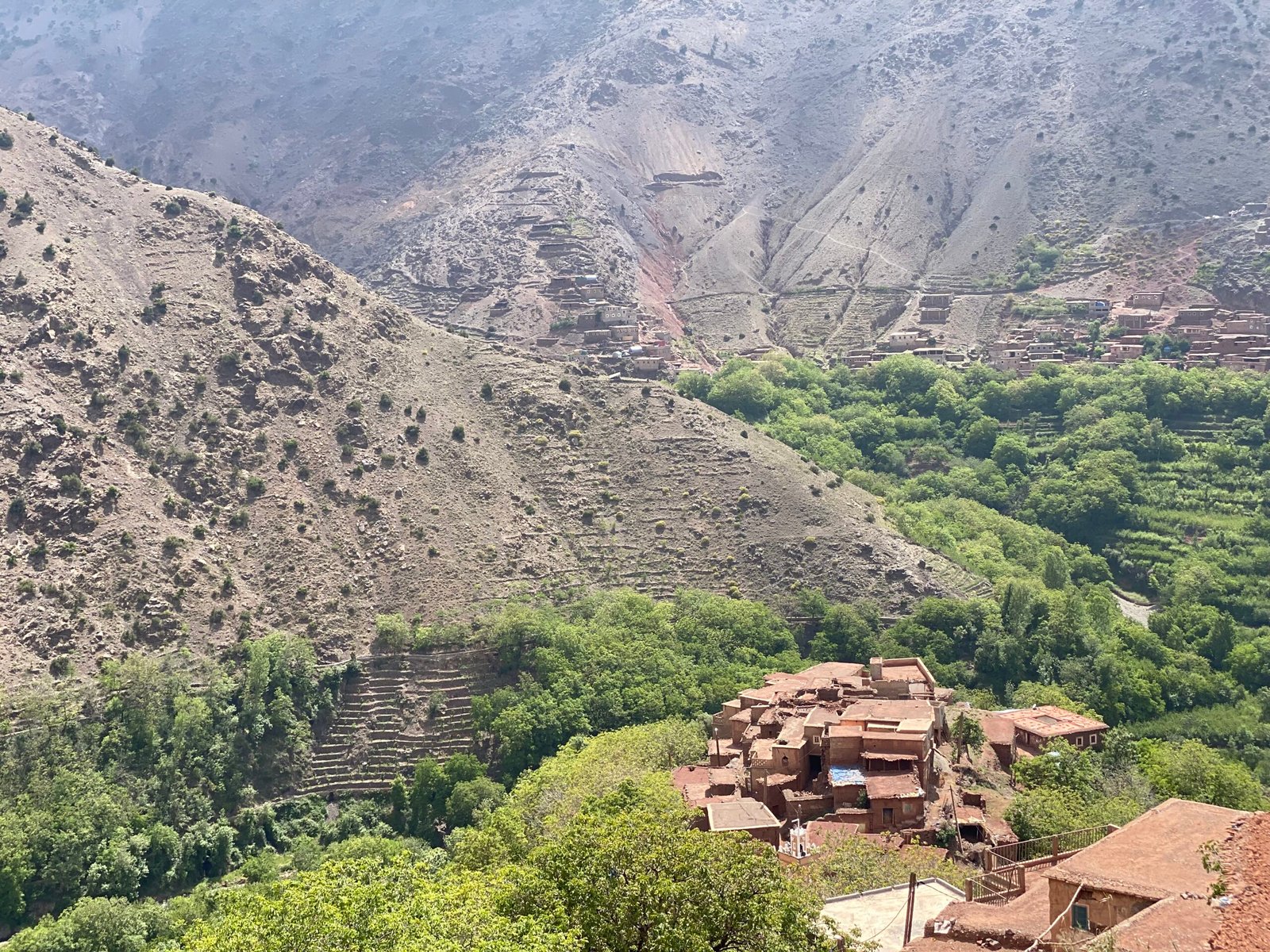
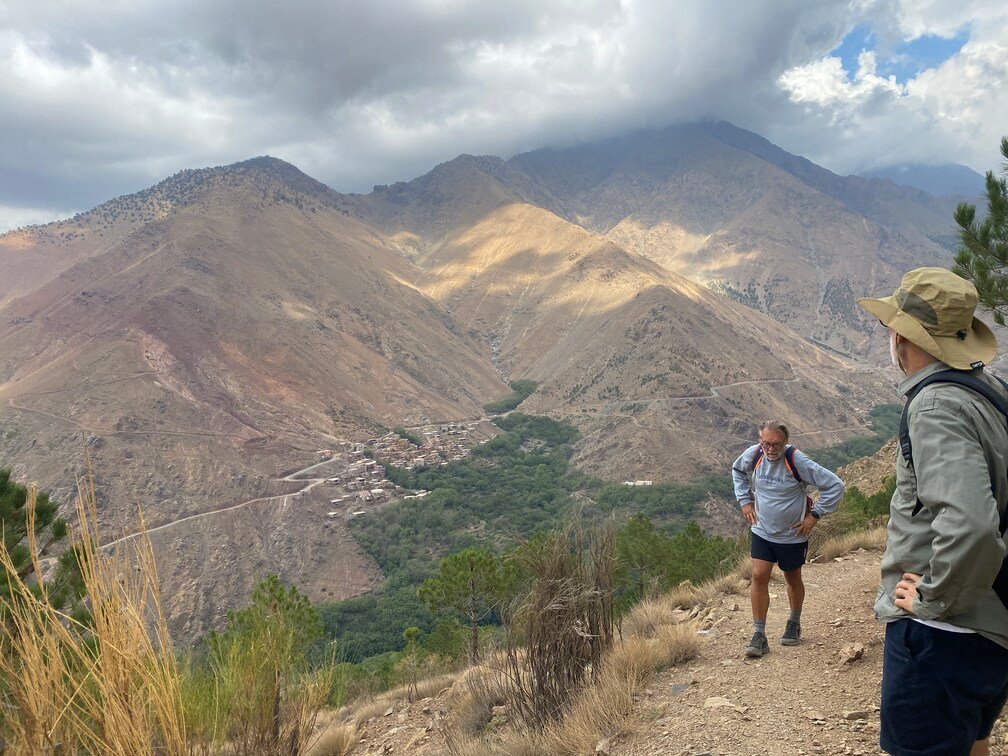
The geographical positioning of Jbel Siroua offers a remote and serene environment, setting it apart from other peaks in the Atlas Mountains trek. Unlike some of its more accessible counterparts, the trek to Jbel Siroua requires a more adventurous spirit, appealing to those who wish to immerse themselves in the natural beauty of Morocco. The surrounding terrain is enveloped in a mix of rocky outcrops, lush valleys, and vibrant flora, creating a picturesque setting for those engaging in trekking in Morocco.
In addition to its ecological features, Jbel Siroua is home to diverse wildlife, including various species of birds and endemic plants that thrive in its unique climatic conditions. This remote wilderness not only provides stunning vistas for hikers but also acts as a crucial habitat for many forms of life. Trekking around Jbel Siroua allows hikers to experience not just the physical exertion of navigating the trails but also the tranquility that comes from being surrounded by such untouched natural beauty.
Overall, Jbel Siroua serves as an ideal location for individuals seeking an authentic anti Atlas trek experience, combining natural splendor with the allure of adventure amidst one of Morocco’s most significant mountain ranges.
How difficult is the Jbel Siroua trek?
The Jbel Siroua trek is considered moderate to challenging due to its unmarked trails, rocky terrain, and remote environment. A licensed guide is highly recommended.
How many days are needed for Jbel Siroua?
Most trekking itineraries range from 4 to 6 days, depending on the chosen route and pace.
What is the height of Jbel Siroua?
Jbel Siroua rises to 3,304 meters above sea level, making it one of the highest peaks in the Anti-Atlas Mountains.
When is the best time to trek Jbel Siroua?
The best time for the Jbel Siroua trek is spring (April–June) and autumn (September–November), when temperatures are moderate.
Do you need a guide for Jbel Siroua?
Yes. Due to the lack of marked trails and the remote terrain, hiring a local guide is strongly recommended for safety and navigation.
Is Jbel Siroua suitable for beginners?
It is more suitable for trekkers with some hiking experience. Beginners should choose a guided tour with proper support.
Jbel Siroua’s Unique Terrain
The Jbel Siroua trek is renowned for its distinct and captivating terrain, setting it apart from other regions of the Atlas Mountains. This area is characterized by volcanic landscapes, which give rise to a unique geological composition. These volcanic formations offer trekkers an opportunity to explore stunning vistas and unusual rock structures that cannot be found in other parts of the Atlas range. The impressive characteristics of Jbel Siroua present a tapestry of colours and textures that are particularly captivating for those embarking on an anti Atlas trek.
Additionally, the varied altitudes of Jbel Siroua present both challenges and rewards. Ranging from lush valleys to barren highland plateaus, the altitude variations create differing ecosystems that contribute to the richness of the trekking experience. As trekkers ascend, they are greeted with diverse flora and fauna, which include endemic species that thrive at specific elevations. This ecological diversity enhances the allure of trekking in Morocco, providing a backdrop that is both visually impressive and ecologically significant.
One notable aspect of the Jbel Siroua trek is the absence of marked trails. Unlike other popular trekking paths in the Atlas Mountains, the routes here often remain uncharted and depend heavily on a trekker’s sense of adventure and navigation skills. This lack of defined paths not only increases the challenge but also allows for a more personal and intimate exploration of the landscape. Each trek through this mountainous region can yield a new path and experience, making every journey truly unique. Therefore, those who embark on an atlas mountains trek here may find themselves connecting with nature in ways that are more profound and enriching.
The Remote Wilderness Experience
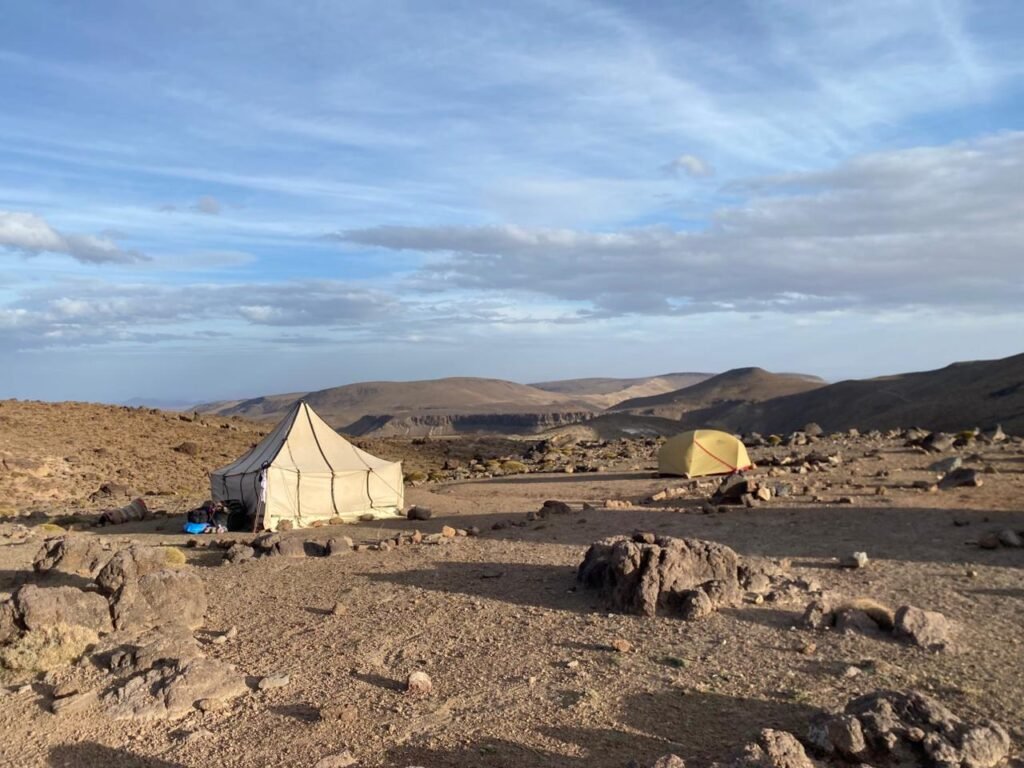
The Jbel Siroua trek presents an extraordinary opportunity for hikers seeking solitude and immersion in nature. Nestled in the Anti-Atlas region of Morocco, this mountainous terrain offers an unparalleled experience far removed from the crowded tourist locales often found in more well-known trekking routes. The trek is characterized by breathtaking landscapes that feature rugged peaks, lush valleys, and pristine rivers, which together create an idyllic backdrop for those daring enough to explore its depths.
As adventurers set out on their journey to conquer Jbel Siroua, they are greeted by an atmosphere of tranquility that is increasingly rare in our bustling world. The isolation inherent to this region ensures that travelers can engage with their surroundings peacefully, allowing for moments of reflection and connection with nature. The vastness of the Atlas Mountains trek creates a sense of freedom, inviting trekkers to relish each step as they traverse the less-trodden paths.
The wilderness surrounding Jbel Siroua plays a significant role in making it a true goal for serious hikers. It is not merely the challenge of the terrain, but also the chance to escape into an untouched landscape, far away from the noise of civilization. Here, every vista tells a story, and each summit reached unveils new panoramas, making the jitters of daily life seem a distant memory. This trek invites participants to experience remote adventures, fostering a connection to the landscape and a profound appreciation for the natural world.
In experiencing the wild beauty of Jbel Siroua, trekkers are supported by local communities that enhance the engagement with the region’s rich traditions and cultural heritage. Engaging with local Berber people, visitors find not only hospitality, but also a deeper understanding of the region’s significance. Thus, the Jbel Siroua trek is not just a physical journey; it becomes a profound expedition into the soul of Morocco’s wilderness.
The Historical and Geological Significance of Jbel Siroua
Jbel Siroua, standing as one of the oldest volcanic formations within the Atlas Mountains, has captivated the interest of geologists and trekkers alike. This magnificent mountain range is not only known for its breathtaking landscapes and unique biodiversity, but also for its rich geological history, which dates back millions of years. The mountain was formed during a series of volcanic activities that are believed to have occurred in the late Cretaceous and early Tertiary periods, contributing to the creation of distinct geological features characteristic of the area.
Geologically, Jbel Siroua represents a significant chapter in the story of the Anti-Atlas region. This ancient volcano, primarily composed of andesitic lava flows and volcanic ash, provides crucial insights into the tectonic processes that shaped the Moroccan landscape. The mountain’s complex interactions with surrounding geological formations hint at the dynamic history of the Atlas Mountains trek. In more recent times, various scientific studies have focused on understanding the mineral composition and the volcanic activity that contributed to forming the mountain, revealing its striking geological features.
Historically, the region surrounding Jbel Siroua has been populated for thousands of years, with evidence of human settlements that date back to the prehistoric period. The mountain has served not only as a scenic backdrop but also as a vital resource for local communities. Indigenous tribes have utilized its natural resources and adapted to its challenging environment through generations. Today, Jbel Siroua remains a key destination for trekking in Morocco, attracting adventure seekers keen to explore its unique geological and historical narrative. This intertwining of natural beauty and historical significance makes the Jbel Siroua trek a truly remarkable experience for all who seek to uncover the treasures of the Atlas Mountains.
The Cultural Heritage of Berber Communities
The Jbel Siroua region, nestled in the heart of the Anti-Atlas range, serves as a vivid backdrop for the rich cultural tapestry woven by the Berber communities. These indigenous groups, known as Amazigh, have preserved their heritage across centuries, maintaining a distinct identity that is visible in every aspect of their lives. Their nomadic lifestyle is deeply intertwined with the surrounding landscape, where they have thrived through a synergistic relationship with nature.
Traditionally, Berber communities are known for their semi-nomadic practices, moving between winter and summer pastures. This mobility allows them to adapt to the changing environments and seasonal variations, which plays a crucial role in their agricultural practices and livestock herding. The Berbers engage in subsistence farming and animal husbandry, ensuring food security by utilizing the local flora and fauna effectively.
Art and language are other significant components of Berber heritage. The Amazigh language, Timazight, is an essential carrier of cultural expression. It is a medium through which songs, stories, and oral histories are passed from generation to generation, thus reinforcing a sense of community and belonging. The Berber script, Tifinagh, is emblematic of their identity and has seen a resurgence in recent years as part of a broader movement to revive and celebrate their language.
Furthermore, the artistic expressions of the Berber people, including intricate weaving, pottery, and jewelry making, reflect their connection to nature and history. Each piece of art carries meanings that relate to their life experiences and the stories they wish to convey. The colors, patterns, and motifs are indicative of their cultural significance, serving both functional and aesthetic purposes.
In essence, engaging with the Berber communities during the Jbel Siroua trek offers trekkers not just breathtaking views of the Atlas Mountains but also a profound understanding of the cultural heritage that thrives within this unique ecosystem. This intimate experience enriches one’s trekking in Morocco, allowing for a journey that is as educational as it is adventurous.
The local economy surrounding the jbel siroua trek is a testament to the resilience and resourcefulness of the Berber communities residing in this region. Central to their livelihood are three main components: the cultivation of saffron, the production of apples, and livestock farming. Each of these elements not only contributes significantly to the local economy but also represents a cultural heritage enriched by centuries of tradition.
Saffron, often referred to as the world’s most expensive spice, thrives in the high-altitude conditions of the Anti Atlas region. The labor-intensive process of cultivating saffron requires knowledge passed down through generations. The bright red stigmas are hand-harvested, creating job opportunities for local women and contributing to the empowerment of families. As a focal point of their economy, saffron production allows these communities not only to sustain themselves but to engage in trade that transcends regional borders.
In addition to saffron, the Berber communities boast the cultivation of high-quality apples. The temperate climate and fertile soil of the Atlas Mountains trek provide ideal conditions for apple orchards. The harvest generates income and fulfills local demand while fostering a sense of community as families work together to tend the orchards. Furthermore, the sale of apples contributes to household income and supports the overall economic stability of these regions.
Livestock farming is another cornerstone of their economy, with sheep and goats primarily raised for meat, milk, and wool. This practice aligns with traditional lifestyle patterns and ensures that communities remain self-sufficient. As livestock is an integral part of their diet and culture, it enables families to enhance their nutrition and maintain economic sustainability through trade and barter systems.
In conclusion, the local economy surrounding the jbel siroua trek is intricately linked to the cultivation of saffron and apples as well as livestock farming. These practices not only support the livelihoods of the Berber communities but also preserve their cultural identity while fostering economic sustainability in the region.
Sustainable Trekking Practices
As the popularity of the Jbel Siroua trek continues to rise among trekking enthusiasts, it is imperative that trekkers adopt sustainable practices to protect this stunning environment and support local communities. Sustainable trekking is not only about minimizing environmental impact; it is also about ensuring that local cultures and ecosystems are respected and preserved.
One of the primary ways to engage in sustainable trekking in the Atlas Mountains is through the principle of ‘leave no trace.’ Hikers are encouraged to stay on designated trails to avoid damaging delicate flora and fauna. This practice minimizes the degradation of natural landscapes, allowing future generations the opportunity to enjoy the breathtaking vistas of Jbel Siroua. Additionally, trekkers should carry out all waste, including food remnants and personal items, to prevent littering in these pristine areas.
Moreover, engaging with local communities enhances the trekking experience while providing economic benefits. Purchasing handcrafted goods and utilizing local guides serves to support the economy of the Atlas Mountains region. Local guides offer invaluable insights into the rich cultural heritage and natural history of Jbel Siroua, enhancing the trek’s educational value while ensuring that the local knowledge is preserved.
Another sustainable practice involves being mindful of water consumption and respecting local water sources. During the Jbel Siroua trek, hikers should utilize biodegradable soaps and other eco-friendly products to minimize waterway pollution. Trekkers should also refrain from overusing natural water resources, particularly in regions where water scarcity may be an issue.
In conclusion, by adhering to sustainable trekking practices while exploring the Jbel Siroua trek, hikers contribute to the conservation of the stunning environment of the Atlas Mountains and foster respect for local communities. Embracing these principles ensures that the beauty of Morocco’s landscapes can be appreciated for years to come.
Trekking Experience: What to Expect
The Jbel Siroua trek presents an exciting opportunity for adventure seekers looking to explore the lesser-known trails of the Atlas Mountains. This trekking adventure stands out due to its breathtaking landscapes and the unique experiences it offers. Trekkers can expect to traverse a variety of terrains, from rocky paths to lush valleys adorned with flora, all while enjoying mesmerizing views of the surrounding anti-Atlas range.
Before embarking on this journey, careful planning is paramount. Trekkers should prepare by ensuring they have the appropriate gear. Necessary equipment includes sturdy hiking boots that provide adequate ankle support, weather-resistant clothing suitable for fluctuating temperatures, and a reliable backpack to carry essential supplies like water, food, and a first aid kit. Additionally, trekking poles can aid significantly on challenging sections of the unmarked paths, enhancing stability and reducing fatigue.
Choosing the right route is also critical to an enjoyable trek. The Jbel Siroua offers several trails varying in difficulty and length. Beginners should consider shorter, well-traveled paths, while experienced trekkers may opt for longer routes that delve deeper into the wilderness, allowing for exploration of off-the-beaten-track areas. The thrill of walking unmarked paths amidst stunning scenery adds to the allure of this Atlas Mountains trek.
Moreover, trekkers should pay attention to the weather forecasts before setting out, as conditions can change rapidly in mountainous regions. Staying informed ensures a safer and more comfortable trekking experience. Embrace the adventure that awaits, and immerse yourself in the stunning beauty of Jbel Siroua, where trekking in Morocco unravels a true exploration of nature’s grandeur.
Conclusion: Why Jbel Siroua Should Be on Your Hiking List
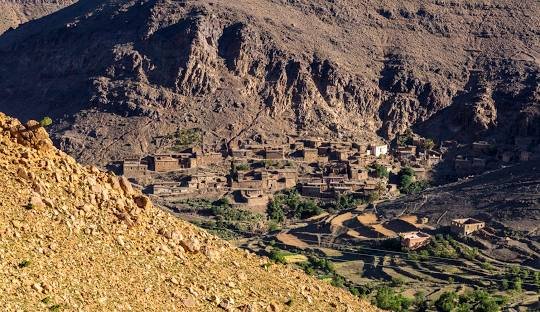
Jbel Siroua presents an extraordinary opportunity for trekking enthusiasts and those looking to explore the stunning landscapes of the Atlas Mountains. As an alternative to more crowded trekking routes, the Jbel Siroua trek offers a serene experience amid breathtaking scenery. It invites hikers to witness the captivating beauty of Morocco’s Anti Atlas region, marked by its striking valleys, ancient Berber villages, and diverse flora and fauna.
This trek is particularly appealing for those seeking an authentic cultural experience, as you will encounter hospitable Berber communities. Engaging with locals provides a unique glimpse into their traditional way of life, enhancing the trekking experience significantly. Furthermore, the welcoming nature of the communities along the route adds a social dimension to your adventure that is often overlooked in more commercialized treks.
Trekking in Morocco is not just about the physical challenge; it is also about experiencing the rich landscapes and cultural heritage that the region has to offer. The Jbel Siroua trek, with its moderate difficulty, is suitable for hikers of various skill levels, making it accessible to both seasoned trekkers and beginners who are eager to explore their potential in the great outdoors.
In conclusion, the allure of Jbel Siroua lies in its ability to combine natural beauty, cultural immersion, and the thrill of an outdoor trek. It stands out as a must-visit destination for those considering hiking in Morocco. Whether you are on a quest for adventure, beauty, or cultural richness, Jbel Siroua promises to deliver an unforgettable experience that will resonate long after the trek is over.
Is Jbel Siroua Better Than Toubkal?
Introduction to Jbel Siroua and Toubkal
Both Jbel Siroua and Toubkal are prominent peaks in the Moroccan High Atlas mountains, offering unique experiences for hikers and mountaineers. While Toubkal stands as the tallest mountain in North Africa, Jbel Siroua presents an exquisite alternative, enticing adventurers with its stunning views and less crowded trails.
Jbel Toubkal: The King of the Atlas
As the highest peak in the region, Toubkal rises to 4,167 meters above sea level. This mountain is well-known for its challenging yet accessible routes, making it an attractive destination for both novice and experienced climbers. The ascent typically takes one to two days, coupled with breathtaking views of the surrounding valleys and mountains.
Exploring Jbel Siroua
In contrast, Jbel Siroua boasts an elevation of 3,304 meters which, while lower than Toubkal, offers a distinctive hiking experience characterized by diverse landscapes and endemic flora. The trails are less frequented, providing a serene environment for those seeking tranquility away from the tourist bustle of Toubkal. A trek to the summit of Siroua often reveals unparalleled vistas of the southern valleys and the Sahara on clear days.
Conclusion: jbel Siroua trek vs. Jbel Toubkal trek
Ultimately, choosing between Jbel Siroua trek and Jbel Toubkal trek depends on personal preference and experience level. While Toubkal may be considered a must-climb for its height, Jbel Siroua offers its own charms through solitude and a distinctive landscape. For those pondering, ‘Is Jbel Siroua better than Toubkal?’, the answer varies each mountain invites its own adventure, catering to different aspirations within Morocco’s captivating terrain.
Table of Contents