Introduction to the Atlas Mountains and the Berber Villages
Hiking Berber Villages Atlas Mountains is one of the most authentic and rewarding trekking experiences in Morocco. Unlike crowded tourist circuits, this journey immerses you in traditional Berber life, mountain agriculture, and centuries-old architecture surrounded by dramatic landscapes.
Situated in the heart of Morocco, the Atlas Mountains are a majestic range that commands both awe and admiration. Spanning over 2,500 kilometers, this mountainous region rises dramatically above the surrounding plains, providing breathtaking vistas and a diverse array of ecosystems. The beauty of the Atlas Mountains is further enriched by their unique topographical features, including deep valleys, rugged peaks, and verdant plateaus. This geographical diversity not only enhances the scenic value of the region but also offers a variety of hiking experiences for adventurers and nature enthusiasts alike.
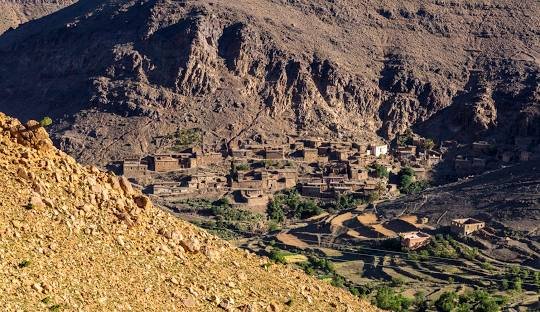
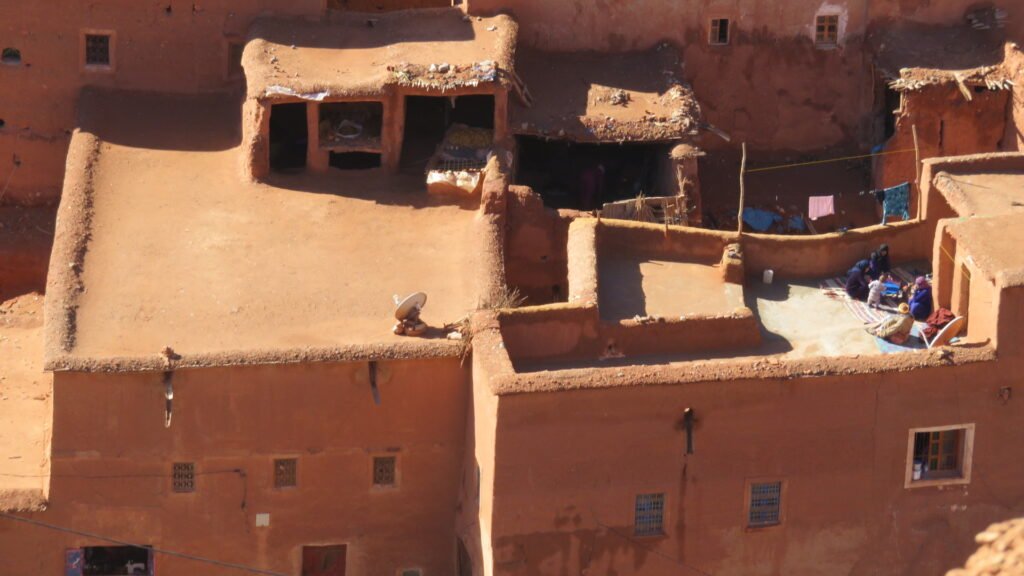
Among the striking landscapes, the Berber villages are cultural gems that dot the mountainsides. These villages, known as “douars,” are inhabited by the indigenous Berber people, who have preserved their distinctive traditions and lifestyles for centuries. Each village reflects the rich history and cultural heritage of the Berber communities, characterized by their centuries-old architecture, vibrant crafts, and warm hospitality. The opportunity to visit these villages while hiking in Morocco provides a unique insight into the daily lives of the Berber people.
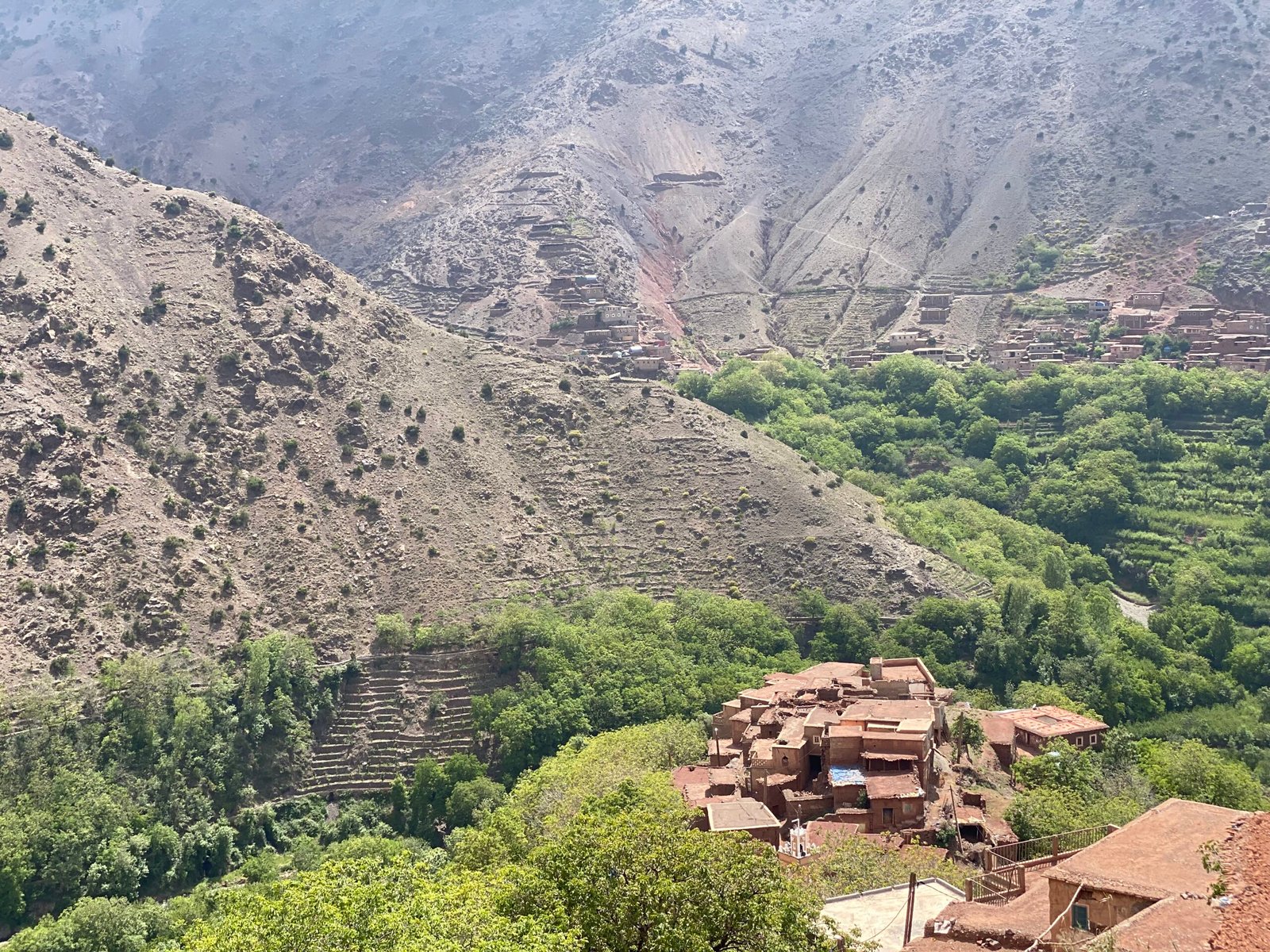
Embarking on an Atlas Mountains hike offers visitors not just the chance to experience stunning natural beauty, but also a pathway to discover the deep cultural roots embedded within the Berber communities. As hikers traverse the varied terrains, they will encounter terraced fields, ancient irrigation systems, and quaint homes made from local materials, harmoniously blending with the landscape. From the fresh mountain air to the sounds of local traditions echoing through the valleys, hiking through this terrain is a transformative experience, inviting trekkers to explore both the geography and the rich cultural tapestry that defines this extraordinary region.
Preparation for Your Hiking Adventure
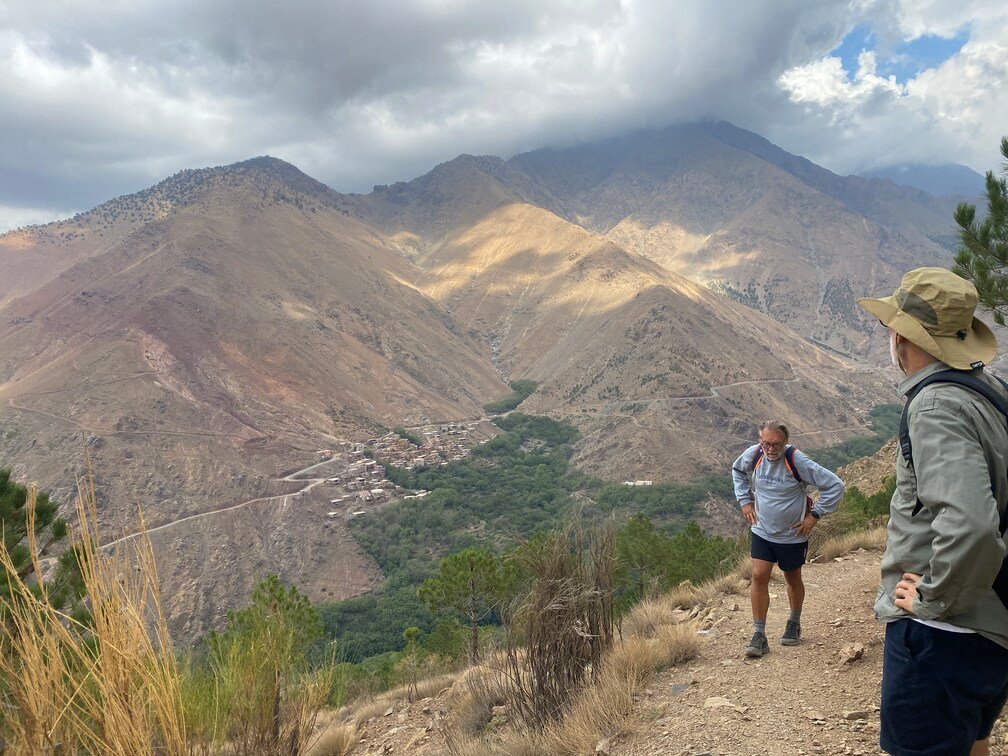
When embarking on an Atlas Mountains hike to explore the enchanting Berber villages, meticulous preparation is key to ensuring a safe and enjoyable experience. Begin your journey by selecting appropriate gear; durable hiking boots with good traction are essential for the rocky terrain. Additionally, a comfortable daypack is useful for carrying water, snacks, and basic first-aid supplies.
Clothing plays a crucial role in managing varying mountain weather conditions. Opt for moisture-wicking layers that provide insulation and protection against the elements. A windbreaker or rain jacket is also advisable, as the weather in the Atlas Mountains can change rapidly. Don’t forget to bring a wide-brim hat and sunglasses to shield yourself from the sun during the day.
Physical preparation is paramount for a successful hiking adventure. Engage in cardiovascular exercises, such as running or cycling, to build stamina. Additionally, incorporate strength training focusing on the legs and core to navigate steeper trails effectively. It’s beneficial to practice shorter hikes that gradually increase in length and intensity to acclimatize your body to longer treks.
The best time for hiking in Morocco is during the spring (March to June) and fall (September to November) months when the temperatures are moderate and the trails are less crowded. During summer, the regions can experience intense heat, while winter brings snow to Higher Atlas, making some paths inaccessible.
Lastly, for navigation and safety, consider hiring a local guide with extensive knowledge of the terrain and cultural insights about the Berber villages you will visit. They can enhance your hiking experience significantly by sharing stories and ensuring you stay on the right path. Always keep safety in mind by informing someone about your itinerary and expected return time.
The Hiking Trails: Routes to Explore
Hiking in Morocco offers a rich tapestry of experiences, particularly when traversing the scenic routes that lead to traditional Berber villages nestled within the majestic Atlas Mountains. Among the most notable hiking trails is the Toubkal National Park route, which attracts trekkers seeking both challenge and breathtaking vistas. This moderate to challenging hike summits Jebel Toubkal, the highest peak in North Africa, where hikers are rewarded with stunning panoramic views of the surrounding landscape.
For those interested in exploring cultural landmarks, the trail from Imlil to Aroumd provides a fascinating glimpse into Berber life, with opportunities to visit ancient terraced farms and traditional houses. This hike is relatively easy, making it accessible for families and less experienced hikers. Along the way, visitors will encounter friendly locals who may offer insights into their rich heritage, enhancing the overall experience of hiking through these picturesque valleys.
In addition to well-known trails, adventurous hikers may opt for lesser-known routes, such as the Asni to Setti Fatma trail. This off-the-beaten-path option presents a unique blend of natural beauty and cultural encounters. The trail winds through lush vegetation, cascading waterfalls, and vibrant Berber villages that showcase local craftsmanship and hospitality. This hike is of moderate difficulty, providing a satisfying challenge while allowing for immersion in the authentic lifestyle of the Berber people.
Each of these trails not only offers diverse landscapes and varying levels of difficulty but also presents an opportunity to engage with a rich cultural heritage. The Berber villages serve as a testament to the enduring traditions and ways of life that have flourished in these remote regions. Whether you choose a well-trodden path or an obscure trail, hiking in Morocco promises an unforgettable journey through time.
What to Expect: Terrain and Weather Conditions
The hiking experience in the Atlas Mountains offers a captivating mix of diverse terrains and fluctuating weather conditions that can vary significantly throughout the year. Hikers will traverse an array of landscapes, ranging from rocky paths that challenge endurance to lush valleys that charm with their picturesque flora and fauna. The rocky trails often require careful navigation, while the verdant areas provide a welcome respite and breathtaking views of the surrounding Berber villages.
A typical hiking in Morocco adventure will see participants move from high-altitude passes to lower elevations, where the climate transitions from the cooler mountain air to a milder, more temperate environment. Ascending into the higher reaches of the Atlas Mountains, hikers may experience steep ascents and rugged terrain, interspersed with sections of more gradual slopes. These variations not only test physical stamina but also reward trekkers with stunning vistas that are unique to this region.
The weather in the Atlas Mountains can be unpredictable, often shifting from sunny spells to sudden rain showers. During summer, temperatures can soar, making early morning or late afternoon hikes more favorable to avoid the intensity of midday heat. Conversely, in winter, snow can blanket the higher trails, necessitating extra gear for those who embark on a Berber villages hike at that time. Spring and autumn offer moderate temperatures, ideal for outdoor excursions; however, rain is not uncommon, so hikers should be prepared for wet conditions.
Ultimately, the combination of varied terrains and dynamic weather patterns plays a crucial role in shaping the overall hiking experience in this captivating part of Morocco. With adequate planning and preparedness, trekkers can savor the adventure while immersing themselves in the rich culture surrounding the Berber villages.
Immersing Yourself in Berber Culture
The Atlas Mountains of Morocco are not only famed for their breathtaking landscapes but also for their rich cultural tapestry, woven intricately by the Amazigh people, commonly known as the Berbers. Hiking in Morocco offers an unparalleled opportunity to dive deep into the heart of Berber culture. As you traverse winding paths, you will encounter ancient villages, where everyday life reflects age-old traditions and a connection to the land.
Language plays a vital role in the preservation of Berber identity. The Amazigh speak Tamazight, a language that varies across regions. Engaging with locals during your hikes facilitates not only language exchange but also a deeper understanding of their worldview. Visiting traditional homes often opens avenues for heartfelt conversations, which provide insights into their customs and way of life, fostering a genuine connection between hikers and the Berber people.
Your journey through these villages is a living museum of Berber heritage. You may witness traditional crafts such as weaving, pottery, and jewelry-making. The Berber villages often host festivals celebrating their history and heritage, welcoming travelers to participate in dance and music, enriching the hiking experience beyond the physical exertion.
Moreover, the hospitality of the Berber people is legendary. Many families invite hikers into their homes, offering traditional meals that highlight local ingredients and culinary practices. Sharing a meal is an intimate ritual that transcends language barriers, forging friendships and boosting cultural appreciation. This engagement during an atlas mountains hike allows travelers not just to observe but to become part of a narrative that has unfolded over centuries, thus enriching the overall hiking experience.
To truly immerse yourself in Berber culture while hiking in Morocco, consider joining local guided hikes that prioritize community engagement, ensuring that your adventure contributes positively to the lives of the Amazigh people and sustains their cultural heritage.
Cuisine of the Berber Villages: A Taste of Tradition
The culinary traditions of the Berber villages nestled within the Atlas Mountains offer a delightful journey into the heart of Amazigh culture. Hiking in Morocco provides not just stunning landscapes but also an opportunity to savor a range of traditional dishes that embody centuries of shared knowledge and expertise. The regional cuisine is heavily influenced by the local climate and geography, incorporating a variety of naturally sourced ingredients.
One iconic dish that hikers often encounter during their journey is tagine, a slow-cooked stew typically served with vegetables and an assortment of spices. The unique conical shape of the tagine pot allows ingredients to be cooked evenly, melding flavors in a way that reflects the essence of Berber hospitality. Couscous, another staple, is frequently paired with tagine, served alongside aromatic herbs and a variety of meat, including lamb and chicken. Organic produce, such as olives, tomatoes, and peppers, are often grown in local gardens, adding freshness and vibrancy to meals.
The experience of enjoying a meal with local families goes beyond the food itself. Sharing a meal in these vibrant communities fosters understanding and connection with the Amazigh culture. Observing their cooking methods, often involving communal efforts, reveals a deep-rooted appreciation for tradition and family bonds. Visitors may also participate in meal preparation, gaining hands-on insight into local culinary practices and ingredient sourcing.
As hikers traverse from one Berber village to another, they are not just witnessing breathtaking vistas of the Atlas Mountains hike; they are also partaking in a rich tapestry of flavors that tell the story of a resilient people. Through these culinary experiences, hikers come to understand the significance of food in Berber culture, a tradition that has been preserved through generations and continues to bring communities together.
Connecting with Nature: Flora and Fauna of the Atlas Mountains
The Atlas Mountains, a majestic range that stretches across Morocco, are renowned not only for their breathtaking landscapes but also for their rich biodiversity. These mountains provide a unique ecosystem that supports a variety of flora and fauna, making hiking in Morocco an enriching experience for those who appreciate nature. The diverse habitats within the Atlas Mountains are home to endemic plants like the famous argan tree, which is pivotal in the local economy and culture. Other notable vegetation includes the vibrant wildflowers that blanket the meadows each spring, contributing to the stunning views hikers encounter on their journeys.
Not only do the Atlas Mountains offer a visual feast, but they are also inhabited by unique wildlife. Species such as the Barbary macaque, a rare primate, thrive in the mountainous forests, while a variety of bird species can be spotted soaring above, including the majestic griffon vulture. Hiking through these areas provides opportunities to witness these creatures in their natural habitat, yet such encounters highlight the importance of conservation efforts necessary to protect these species.
As outdoor enthusiasts explore the winding trails connecting various Berber villages, they should also remain aware of their impact on this delicate ecosystem. Sustainable hiking practices, such as sticking to marked trails and minimizing waste, can significantly contribute to preserving the natural beauty of the region. Furthermore, supporting local conservation initiatives helps safeguard the environment while enriching the hiking experience. Engaging with the local Berber communities, who possess a deep understanding of their environment, provides insights into traditional conservation methods and the importance of protecting their heritage.
In conclusion, the flora and fauna of the Atlas Mountains not only enhance the hiking experience but serve as a reminder of the importance of protecting the diverse ecosystems that thrive within this stunning landscape. By adhering to responsible hiking practices and supporting conservation efforts, hikers can play a part in preserving the natural beauty of Morocco for future generations.
Cultural Etiquette and Respect for Local Communities
Hiking in Morocco’s Atlas Mountains offers an exceptional opportunity to engage with the Amazigh (Berber) culture, renowned for its rich traditions and vibrant communities. To foster a harmonious experience while hiking through Berber villages, it is crucial to adhere to certain cultural etiquettes that showcase respect and understanding towards local customs.
First and foremost, it is advisable to dress modestly, keeping in mind the cultural norms of the region. Light, breathable clothing that covers the shoulders and knees is ideal. This consideration is particularly important when entering homes or mosques, where visitors should always remove their shoes.
When interacting with the local population, greetings are essential. A simple “Salam Alaikum” (peace be upon you) can go a long way in establishing positive rapport. Engaging in friendly banter, sharing smiles, and showing genuine interest in their way of life fosters goodwill. It can also be helpful to learn a few basic phrases in Tamazight or Arabic, as locals appreciate any effort made to communicate in their native languages.
Moreover, when traversing the villages, respect for private spaces and communal properties is paramount. Avoiding intrusive photography is advisable; always ask for permission before capturing images of individuals or their homes. It is also important to heed local customs regarding food and hospitality; if invited to share a meal, graciously accepting can enrich your experience.
Another key aspect is to be mindful of litter; maintaining the beauty of the landscape during your hiking adventures is crucial. Use designated waste bins or pack out what you bring in, demonstrating respect for the environment and the local community. By embracing these practices, you not only enhance your own adventure but also contribute positively to the communities that make the Atlas Mountains hike a transformative journey.
Conclusion: The Transformational Experience of Hiking the Atlas Mountains
Hiking in Morocco, particularly through the Atlas Mountains, offers a unique blend of breathtaking scenery and immersing cultural experiences. As individuals traverse the dramatic landscapes, they not only witness nature’s grandeur but also come face-to-face with the vibrant legacy of the Berber villages. Each step along the paths reveals stunning vistas of towering peaks, deep valleys, and lush terraces, creating a backdrop that inspires both reflection and appreciation for the world around us.
The journey through the Berber villages is equally enriching. Visitors have the opportunity to engage with local communities, learning about their customs, traditions, and ways of life. This interaction fosters a deeper understanding of the cultural heritage that shapes the region. Exploring the daily lives of the Berbers enhances the hiking experience, creating lasting memories that resonate long after the journey concludes.
Moreover, hiking in the Atlas Mountains is not solely about the physical exertion involved; it is profoundly transformational. Participants often find themselves pushing personal boundaries, nurturing resilience, and developing a sense of accomplishment. Whether it is the challenge of a steep ascent or navigating rocky terrain, the journey becomes a catalyst for personal growth, encouraging hikers to reflect on themselves and their capabilities.
In conclusion, embarking on an Atlas Mountains hike is about more than just physical activity; it is an opportunity for introspection and connection. The combination of awe-inspiring landscapes, rich cultural exchanges, and the personal growth experienced along the trails make this journey unforgettable. Those considering this transformative adventure are urged to take the leap into the heart of Morocco’s magnificent terrain, ensuring an exploration that transcends the ordinary.
Table of Contents