
Self-Guided Treks in the Atlas Mountains
One of the strongest and most versatile means of exploring the Moroccan landscapes is self-guided treks in the Atlas Mountains. From Berber villages in the wilderness to mountain passes and valleys, self-guided trekking allows you to trek at your own pace while remaining connected with nature.
The Atlas Mountains in Morocco offer a fantastic opportunity for adventurers looking for freedom, authenticity, and beauty. Self-guided trekking is different from group tours in the sense that it allows you complete freedom over your trek.
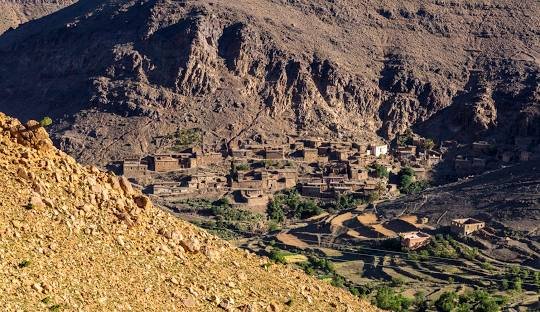
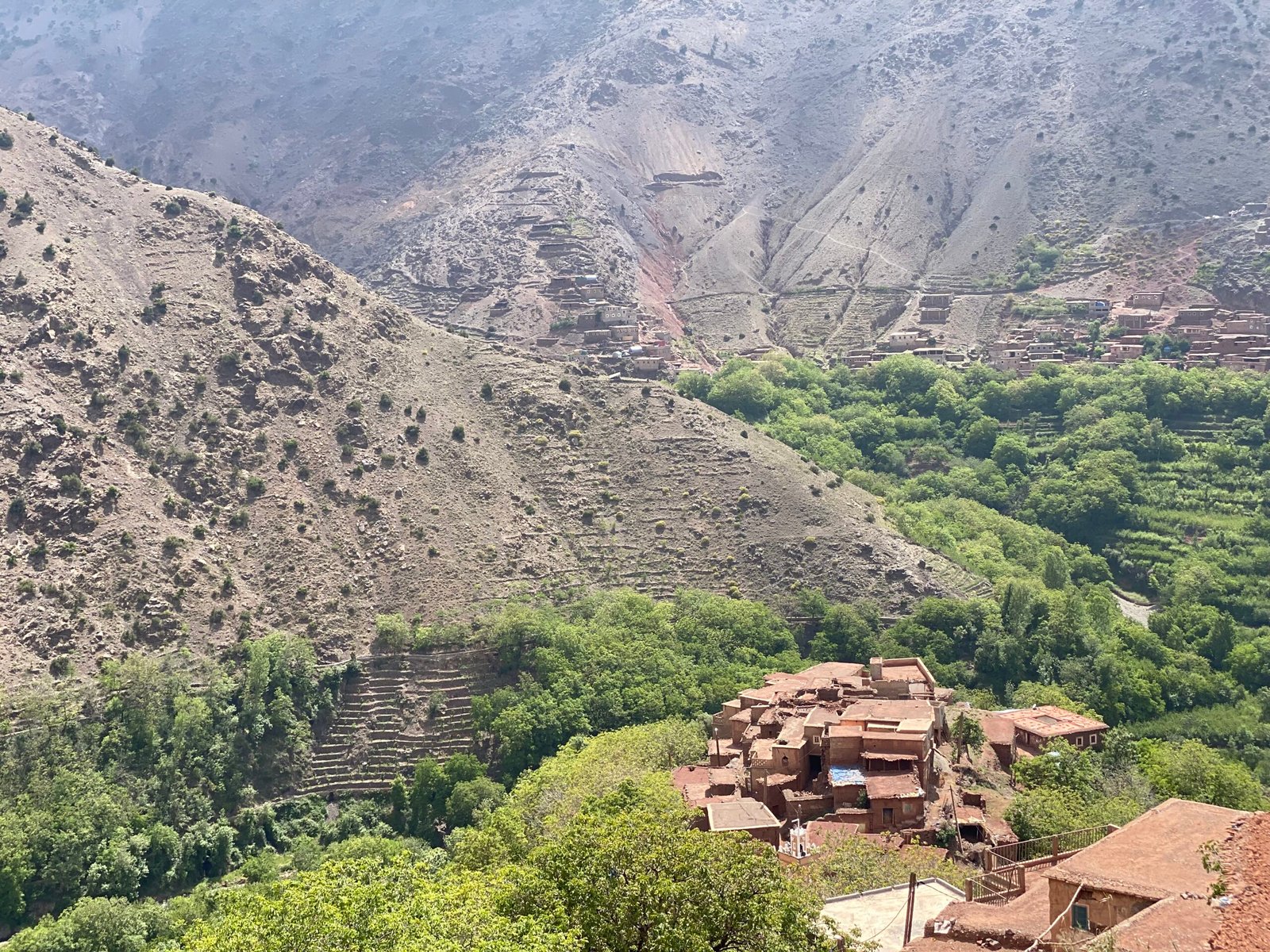
The appeal of self-guided treks in Morocco is rooted in the freedom they provide, allowing trekkers to set their own pace and itineraries. Unlike traditional guided tours, self-guided hikes allow individuals to connect with their surroundings on a more personal level. The valley trails, winding pathways, and high mountain passes unfold as captivating narratives of the region’s heritage, leading trekkers through charming Berber villages and lush terraced fields.
Furthermore, the Moroccan Atlas region is known for its diverse ecosystems, which include rich flora and fauna. As trekkers navigate these trails, they encounter a variety of landscapes ranging from arid deserts to snow-capped peaks. Combining adventure with cultural discovery, self-guided treks provide an avenue for travelers to witness the local lifestyle, traditions, and hospitable nature of the Berber people.
In recent years, self-guided hikes in the Atlas Mountains have surged in popularity among adventure travelers. This trend can be attributed to the increasing number of resources available for independent trekkers, including detailed maps, GPS coordinates, and local insight. These resources enhance the self-guided trek experience, ensuring that adventurers can confidently traverse the routes, making the exploration both memorable and rewarding.
Why Choose Atlas Trek Guide for Self-Guided Treks in the Atlas Mountains?
When it comes to exploring the majestic Atlas Mountains of Morocco, choosing the right guiding service can significantly enhance your self-guided treks. Atlas Trek Guide stands out for several compelling reasons, making it a preferred choice for trekking enthusiasts seeking a seamless experience.
Firstly, the deep-rooted expertise of Atlas Trek Guide is invaluable. With years of experience and a profound understanding of the terrain, their team is adept at providing insight on the best routes for self-guided hikes. This expertise empowers trekkers, ensuring that even those unfamiliar with the area can embark on their journey confidently. Knowledge about local flora and fauna, potential hazards, and hidden gems throughout the trails further enriches the hiking experience.
Secondly, local knowledge is a cornerstone of the services provided by Atlas Trek Guide. The guides possess firsthand information about the cultural heritage and natural landscapes of the region, allowing trekkers to embrace the environment surrounding them fully. Understanding the local customs and traditions adds depth to the experience, turning a simple hike into a culturally immersive adventure.
Furthermore, Atlas Trek Guide excels in providing comprehensive logistics for self-guided treks. Their meticulous planning encompasses everything from suggested itineraries, accommodation arrangements, to essential packing lists tailored for each specific trek. By streamlining these logistical details, trekkers can focus on the purpose of their journey: enjoying the breathtaking landscapes and the thrill of adventure, without the usual concerns that come with trip planning.
In conclusion, selecting Atlas Trek Guide for self-guided hikes in Morocco not only ensures a rich and engaging experience but also provides the support necessary for an enjoyable trek in the Atlas Mountains. With their expertise, local insights, and logistical support, trekkers can find peace of mind and truly immerse themselves in the adventure that lies ahead.
What to Expect on Self-Guided Treks in the Atlas Mountains
Embarking on self-guided treks in Morocco provides an experience like no other for adventurous spirits that crave exploring the magnificent Atlas Mountains. As you plan your trek in the Atlas Mountains, it is crucial that you understand what to anticipate in an average trek experience. An average trek experience in the Atlas Mountains includes an assortment of beautiful sceneries, cultural engagements, and challenging activities.
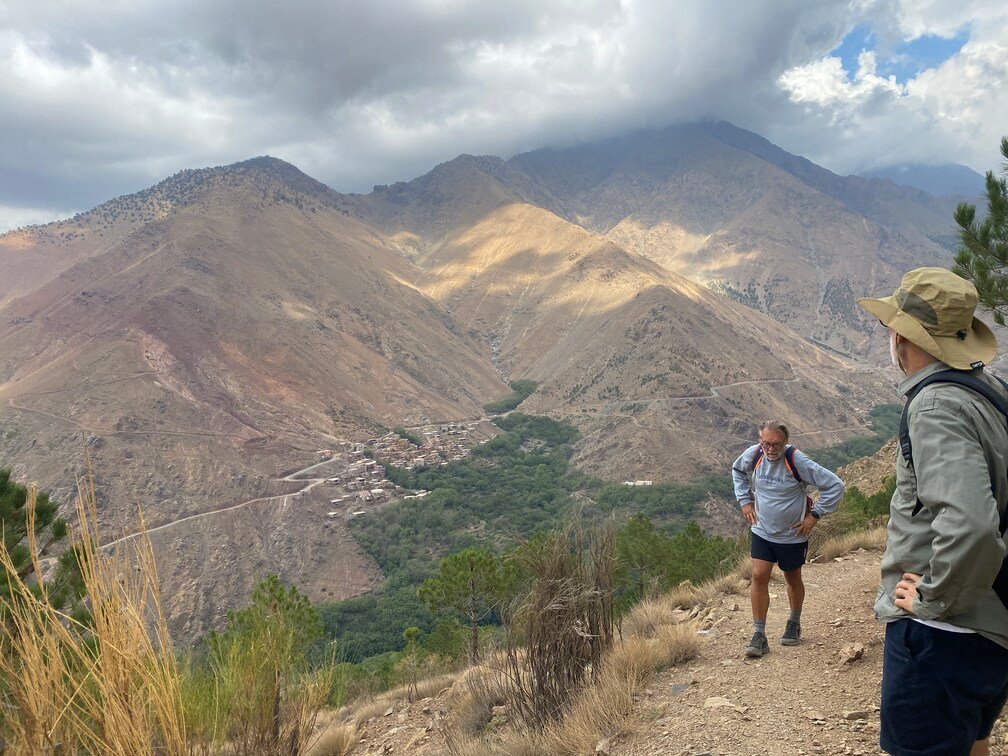
As you engage in self-guided treks in the Atlas Mountains, you are bound to encounter beautiful sceneries that include rocky mountains and beautiful valleys. The assortment of breathtaking sceneries, each uniquely decorated with the region’s exclusive flora and fauna, ensures that each day is an experience in itself. During the trek, you could possibly wander through Berber villages, each offering an experience that introduces you to the rich cultural heritage of Morocco. Engaging with the locals could also offer an enriching experience that introduces you to the culture of the Berber people.
Although there is a lot of freedom in terms of the pace at which you cover the distance and the direction in which you go, it is important to bear in mind the physical challenges that may come along the way. Depending on the direction in which you choose to go, you may encounter steep slopes or bad weather. For this reason, it is important to have enough physical stamina. In addition to this, it is important to have the right trekking gear, including hiking boots and clothing. This will ensure that you are able to trek through routes that are considered moderate to difficult.
Whether you are a novice or a professional trekker, it is important to have a plan. This will ensure that you have an enriching experience in trekking. This will ensure that your experience in the Atlas Mountains is both fulfilling and memorable. The self-guided hiking will ensure that you have an opportunity to discover yourself in the company of nature’s wonders.
When planning to go on self-guided treks in Morocco, especially in such majestic destinations as the Atlas Mountains, it is important to be well-equipped for safety and comfort. The following is a comprehensive list of gear that one might find useful for such an adventure.
Essential Packing List for Self-Guided Treks in the Atlas Mountains
Footwear
Investing in a good pair of trekking shoes is a must. One should opt for light, waterproof shoes, preferably with ankle support and a rugged sole, which can help traverse rocky terrains. For those scorching summer days, a pair of hiking shoes/sandals can be a good option too.
Clothing
Wear moisture-wicking clothes that dry quickly to keep you dry and comfortable during the day. A base layer, a layer for warmth, and a rain jacket are essential for your wardrobe. A wide-brimmed hat and sunglasses are necessary for sun protection, especially in high-altitude areas.
Food and Hydration
Pack light-weight food items such as nuts, dried fruits, and energy bars. In addition, for longer hikes, it might be important to carry a portable cooking stove and freeze-dried meals. Finally, it is important to stay hydrated during your hike; hence, carry enough water or a water filtration system for refilling water from natural sources.
Navigation Tools
A good navigation aid is a must for self-guided hikes. It is important to carry a map of the region and a compass. Alternatively, you can use a good GPS device or a smartphone app that has offline maps. Make sure you know how to use these devices before embarking on your hike.
Safety Equipment
It is recommended to carry a first aid kit, a multi-tool, a headlamp, and sunscreen with you. A whistle and a power source for your gadgets are also beneficial in case of emergencies. It is always a good practice to inform someone about your itinerary, especially when trekking in a remote location.
By keeping these points in mind and packing your essential items properly, you can make your self-guided trek in the Atlas Mountains in Morocco a memorable experience, immersing yourself in the breathtaking natural and cultural beauty of the region.
Navigating Self-Guided Treks in the Atlas Mountains: Maps & GPS
For a successful journey through the Atlas Mountains when undertaking self-guided treks, it is important to have a combination of trail guidance and mapping resources. For individuals undertaking self-guided treks, it is important to understand how to use different navigational tools. This article highlights both modern and traditional tools that will improve your experience when trekking.
One of the most important tools that trekkers should consider using is GPS devices. These tools enable you to locate your position clearly as you navigate through the vast terrain of the Atlas Mountains. Many GPS devices are pre-programmed with trails and maps that can be very helpful when choosing routes that suit your level of expertise and interests. It is, however, important to be well conversant with your GPS device before embarking on your trek.
In addition to the use of GPS systems, mobile apps have also gained popularity among self-guided trekkers. There are various apps such as Komoot and AllTrails that have detailed hiking maps, which highlight the routes in the area, as well as other information contributed by users such as reviews and photos. Such tools can be very helpful in understanding the route conditions and making an informed decision about your route.
Although technology is an important aspect of navigation, it is also important to learn the skill of using traditional maps. Knowledge of topographic maps, reading trail signs, and using a compass to orient your map is a skill that every self-guided trekker should possess. This will not only help you navigate better but also help you appreciate the natural landscape as you trek through the beautiful yet complex terrain of the Atlas Mountains.
In conclusion, whether you prefer to rely on the latest technology provided by GPS and mobile apps or the tried and tested skills of traditional map reading, being well-prepared is the key to a successful experience in the Atlas Mountains. Use all of this in your self-guided treks in Morocco for a memorable experience.
Cultural Experience During Self-Guided Treks in the Atlas Mountains
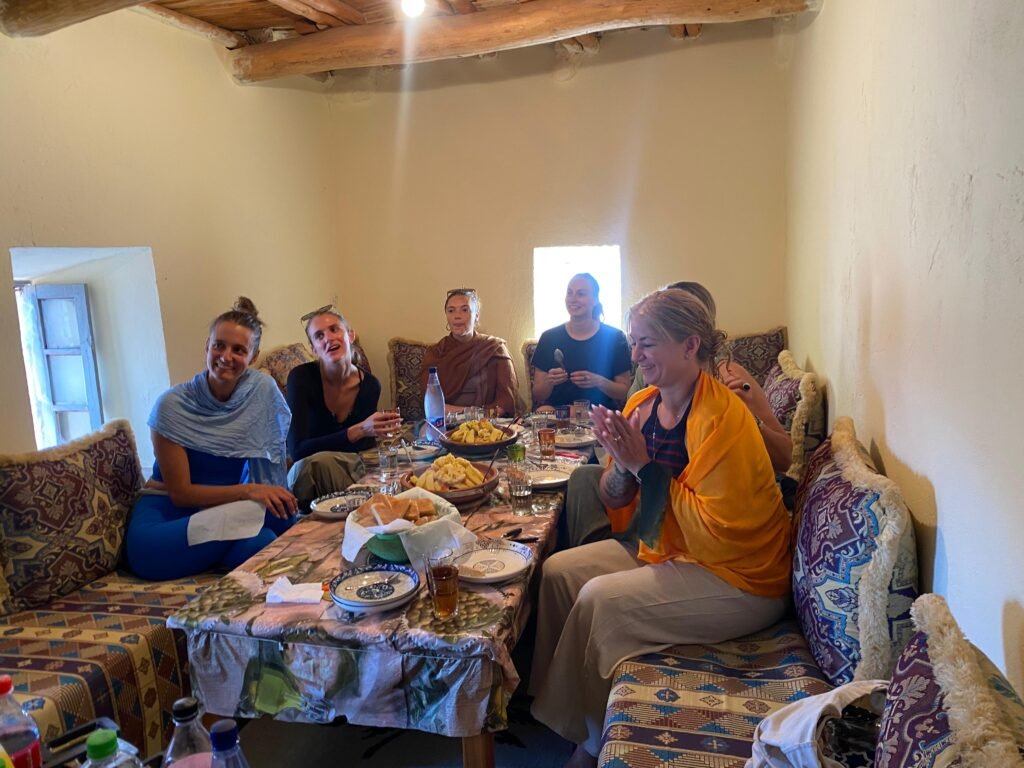
Starting on self-guided treks in Morocco, particularly in the Atlas Mountains, offers trekkers an enriching opportunity to engage with the local Berber communities. These indigenous groups, known for their incredible hospitality and strong cultural heritage, present a unique aspect of the trekking experience. As trekkers navigate through the breathtaking landscapes, they are often greeted by friendly locals whose traditions have remained resilient over centuries.
Interactions with the Berber people can be both meaningful and educational. Trekkers may witness daily life in Berber villages, where age-old practices of farming, weaving, and cooking are integral to the community. Visitors are encouraged to respectfully engage with locals by participating in traditional practices, such as sharing meals or joining in on celebrations. This not only fosters a bond with the community but also allows for an immersive cultural exchange, enriching the journey through the mountains.
Understanding cultural norms is essential during these encounters. The Berbers are known for their strong sense of family and community. Greetings are often warm and involve handshakes, and it is customary to ask about one’s health and family. Trekkers might also find themselves captivated by the storytelling traditions of the Berbers, who share tales of their ancestors, legends, and historical events, often around a cozy fire at night.
These authentic interactions foster a deeper appreciation for the Berber culture and their close connection to the land. Engaging with them can significantly enhance self-guided hikes, providing trekkers with insights that go beyond the physical journey. This cultural richness is what makes the trekking experience in the Moroccan Atlas Mountains so appealing and unforgettable.
Safety Tips for Self-Guided Treks in the Atlas Mountains
Planing on self-guided treks in the Atlas Mountains can be a thrilling and deeply rewarding adventure. However, independent trekkers must carefully evaluate safety considerations to ensure a successful and secure journey across Morocco. One of the primary risks during self-guided treks in the Atlas Mountains is altitude sickness, particularly when ascending toward higher elevations near peaks like Mount Toubkal. Symptoms may include dizziness, headaches, and nausea. Gradual acclimatization, steady ascent, proper hydration, and recognizing early warning signs are critical risk-mitigation strategies.
Weather volatility is another factor to consider. Conditions in the Atlas Mountains can shift rapidly from clear skies to heavy rain or snowfall, impacting visibility and trail safety. Before starting your self-guided treks in the Atlas Mountains, checking updated forecasts and preparing layered, weather-appropriate gear including waterproof jackets and high-traction boots is essential for operational safety and comfort.
Wildlife encounters, although rare, require awareness. Secure food storage and maintaining a respectful distance from animals help prevent unnecessary risks. Additionally, every trekker should develop a structured emergency plan. This includes reliable communication methods, knowledge of evacuation routes, and a clear understanding of terrain-specific hazards and navigation challenges.
By proactively addressing these safety considerations, adventurers undertaking self-guided treks in the Atlas Mountains can confidently explore the region’s extraordinary landscapes while minimizing exposure to preventable risks. Preparation is not optional it is a strategic advantage that transforms a good trek into a safe and successful one.
Sustainable Self-Guided Treks in the Atlas Mountains
Self-guided treks in the Atlas Mountains provide an exceptional opportunity to experience breathtaking landscapes and meaningful cultural interactions across Morocco. However, responsible travel must remain a priority. Sustainable trekking not only enhances the adventure but also ensures that future generations can continue to explore the natural beauty and heritage of the Atlas region.
When undertaking self-guided treks in the Atlas Mountains, practicing Leave No Trace principles is essential to minimize environmental impact. Staying on designated paths prevents soil erosion and protects fragile ecosystems. Trekkers should always pack out what they pack in and dispose of waste responsibly. Littering damages wildlife habitats and diminishes the pristine experience for others.
Respect for local customs and traditions is equally important. Engaging with local artisans, guesthouses, and small businesses strengthens the rural economy and deepens the cultural experience. Supporting community-based tourism initiatives during your self-guided treks in the Atlas Mountains ensures that local Berber communities benefit directly from tourism while preserving their traditions.
Water conservation is another critical responsibility. Mountain water sources can be limited, especially in remote valleys. Using refillable bottles, reducing unnecessary water consumption, and choosing eco-conscious accommodations significantly lower your environmental footprint.
In conclusion, adopting responsible practices during self-guided treks in the Atlas Mountains protects both the environment and local communities. Sustainable decisions enhance your journey while safeguarding the long-term integrity of the Atlas Mountains for future explorers.
Conclusion: Plan Your Self-Guided Trek in the Atlas Mountains Today
Engaging in self-guided treks in the Atlas Mountains is more than just a journey to a destination; it is an immersion in the breathtaking scenery and the rich cultural heritage that this incredible part of Morocco has to offer. With the flexibility to create your own itinerary, self-guided treks are the best way to experience the Atlas Mountains at your own pace, allowing you to have a more intimate connection with nature and the people. The Atlas Mountains are a beautiful combination of mountains, villages, and valleys that call out to adventurers from all over the world.
With the help of the resources provided by Atlas Trek Guide, adventurers can now confidently plan their self-guided treks in the Atlas Mountains, exploring the varied landscapes and the hidden trails that are normally not visited by group tours. This unique approach to adventure travel will not only make the experience more enjoyable but will also make it more exciting, as the treks are planned to provide the best experience possible while still allowing for the freedom of self-guided treks.
In conclusion, a self-guided trek in the Atlas Mountains is an invitation to be part of the magical world of Morocco. Whether it is walking through the ancient Berber villages, trekking through the mountains with breathtaking views, or simply enjoying the quiet moments of solitude, there is a deep sense of satisfaction in self-discovery. By taking this journey, you will not only experience the richness of this region but also create memories that will last a lifetime. So, pack your bags, take the journey that awaits you, and get ready to explore the incredible landscapes of the Atlas Mountains in Morocco.
Table of Contents