Understanding the Legal Requirements
Trekking Mount Toubkal, the highest peak in North Africa, is not only an adventure but also a venture that necessitates adherence to specific legal requirements. One of the foremost rules that should be understood by all potential trekkers is the necessity of hiring a licensed local mountain guide. This requirement is enforced strictly to ensure the safety and well-being of hikers traversing the diverse and often challenging terrain of the Toubkal region.
Local authorities have established mandatory regulations that include police checkpoints along the trekking routes. At these checkpoints, hikers must present their passports along with the official license of their mountain guide. This procedure is crucial as it not only legitimizes the trek but also provides a layer of security for trekkers. Engaging a qualified guide ensures that you receive accurate information about the route, navigate potential hazards effectively, and have access to local insights that enhance your trekking experience. Furthermore, hiring a guide who understands the area can provide assistance in case of unexpected changes in weather or health issues.
Moreover, these regulations contribute to preserving the natural beauty of the Toubkal region. By adhering to Mount Toubkal guide cost, you support the local economy and ensure that only those who are properly trained and licensed can lead hikers through these mountainous terrains. Not only does this comply with the law, but it also ensures that trekkers benefit from a comprehensive understanding of the region, including vital information on weather conditions, local culture, and the environment.
In conclusion, complying with the Toubkal trek mandatory guide rules is essential for ensuring a legal and safe trekking experience on Mount Toubkal. Therefore, as you plan your itinerary, take into account the Mount Toubkal 2 day trek price that typically includes the guide’s fees, which is a worthy investment in your safety and enjoyment during this remarkable journey.
The Role of Local Guides
Embarking on the journey to the summit of Mount Toubkal can be thrilling yet daunting, and thus the role of local Amazigh (Berber) guides should not be underestimated. These experienced guides are not merely facilitators; they are an essential resource for trekkers seeking to maximize their safety and enjoyment on this challenging ascent. With their intimate knowledge of the region, they play a pivotal role in navigating the rugged terrain and unpredictable weather conditions typical of high-altitude environments.
One of the significant advantages of having a guide is their expertise in high-altitude safety protocols. Local guides are well-trained to identify the signs of acute mountain sickness, an important consideration for anyone attempting to reach the summit. Their ability to assess health risks effectively ensures that trekkers can acclimatize correctly, minimizing the chances of altitude-related complications. The guides carry essential medical supplies and are equipped with the skills to respond to health emergencies, which significantly increases the overall safety of the trek.
Furthermore, these guides offer insights into the cultural heritage of the region. As members of the Amazigh community, they provide a unique perspective on the traditions and history of the Berber people, enriching the trekking experience far beyond the physical challenge. For those considering the cost of their expedition, investing in a local guide can be well justified. The mount Toubkal guide cost is often a reflection of the value they bring, from ensuring safety to enhancing cultural appreciation.
Hiring a local guide also adheres to the toubkal trek mandatory guide rules, designed to protect both trekkers and the environment. These regulations ensure that guests benefit from a structured approach to the trek while fostering sustainable practices that respect the local ecosystem. Overall, the presence of a well-informed guide makes the journey not only safer but also more enjoyable and memorable for everyone involved.
Cost Breakdown of Hiring Guides
When planning a trek to the summit of Mount Toubkal, understanding the financial aspects of hiring a guide is crucial for effective budgeting. The costs associated with hiring a licensed guide can vary significantly based on several factors, including the duration of the trek and the services included in the package.
The daily rates for licensed guides on Mount Toubkal typically fall within a range of €50 to €100 per day. These prices can fluctuate based on the season, the guide’s experience, and the specific services they offer. For instance, a guide with extensive experience may charge a premium, reflecting their expertise and ability to enhance the trekking experience. Moreover, guides who excel in customer service and safety are often worth the additional cost, especially for trekkers unfamiliar with the region.
Package deals are another popular option when considering the cost of hiring a guide. Many trekking companies provide all-inclusive packages that may include accommodations, meals, equipment rentals, and transportation. These packages can range from approximately €200 to €600, depending on the length of the trek and the amenities provided. For example, a comprehensive 2-day trek package often includes not just the guiding fee but also logistical support, which can simplify the overall trekking experience.
On the other hand, choosing to trek independently without a guide may appear more economical initially. However, trekkers must consider the potential risks and challenges of navigating the terrain without local guidance. Additionally, the newly implemented Toubkal trek mandatory guide rules advise against unaccompanied trekking, emphasizing safety and the importance of local expertise.
Ultimately, deciding whether to hire a guide and understanding the associated costs is a pivotal part of planning your Mount Toubkal adventure. Analyzing both independent versus guided options helps trekkers determine the most suitable financial commitment that aligns with their trekking goals and safety considerations.
Booking Your Guide: Online vs. In Person
When planning a trek to Mount Toubkal, one of the important considerations is whether to book a guide online in advance or to hire one upon arrival in Imlil. Each option has its inherent advantages and disadvantages, which can significantly impact your trekking experience.
Pre-booking a Mount Toubkal guide online offers several benefits. For starters, it allows trekkers to secure their accommodation in advance, ensuring availability particularly during peak trekking seasons. This can include arranging for local lodges or tents, which can sometimes fill up quickly. Additionally, when reserving a guide beforehand, trekkers can communicate their specific preferences and requirements, allowing for a more customized itinerary tailored to their fitness levels and experience. This customization can enhance the overall trekking experience, as the guide can prepare the route according to the trekkers’ expectations and goals.
Furthermore, pre-booking provides added peace of mind, as it guarantees a trained and certified guide who is familiar with Toubkal trek mandatory guide rules. This compliance not only ensures adherence to safety protocols but also enriches the trek with local insights and knowledge. Pre-arranged shelter also eliminates the hassle of searching for accommodation upon arrival, allowing trekkers to focus on the adventure ahead.
On the other hand, hiring a guide in person upon arrival in Imlil can present its own set of advantages. This approach offers greater flexibility in decision-making, as trekkers can assess weather conditions, group dynamics, and personal readiness before committing to a guide. Additionally, trekkers may negotiate prices, as competition among local guides can sometimes yield cost-effective options for those looking for a Mount Toubkal 2 day trek price that fits their budget.
In conclusion, both methods of securing a guide for the Toubkal trek have their merits and challenges. It ultimately boils down to individual preferences, planned itineraries, and comfort levels with spontaneity versus structure. Whether you choose to book your guide online or in person, preparation remains key to enjoying your trekking adventure on Mount Toubkal.
Essential Gear for Your Trek
Preparing for a trek up Mount Toubkal necessitates equipping oneself with the proper gear to ensure both safety and enjoyment during the journey. The right equipment not only enhances the trekking experience but is critical for navigating diverse weather conditions and uneven terrain. A fundamental aspect of the Mount Toubkal guide cost should consider the gear required for an effective ascent.
One of the most important items for any hiker is a reliable pair of hiking boots. It is essential to invest in well-fitting, broken-in boots that offer adequate ankle support and grip. When trekking on rocky paths and uneven landscapes, having the right footwear can greatly reduce the risk of injury, making them an indispensable part of the Toubkal trek mandatory guide rules.
In terms of clothing, layering is key to adjusting to the rapidly changing temperatures experienced on the mountain. A moisture-wicking base layer is recommended for comfort, while a warm insulating layer is crucial for colder conditions. Furthermore, a waterproof and windproof outer shell will protect against adverse weather conditions. Depending on the season, additional gear such as crampons or ice axes may be necessary for sections that are icy or snow-covered. It is advisable to consult with a local guide or refer to a comprehensive Mount Toubkal 2 day trek price overview to understand what specific equipment is advisable based on the time of year.
Other items to consider include trekking poles, a hydration system, and a small first-aid kit, which can enhance your safety and comfort during the trek. Sunscreen and sunglasses to protect against the high-altitude sun, as well as a hat for shade, are also essential. Adequate preparation with the right equipment enhances your experience and ensures a successful and safe ascent of Mount Toubkal.
Hydration and Nutrition on the Trail
Proper hydration and nutrition are critical components of a successful trek up Berg Toubkal. As you embark on this strenuous climb, maintaining adequate water intake is essential to prevent dehydration, which can significantly impact your physical performance and elevate the risk of altitude sickness. During the trek, aim for a minimum of three to four liters of water daily. This amount may increase based on the weather conditions and your exertion levels.
When planning your hydration strategy, it is important to consider the sources of water available along the route. While some trekkers may rely on stream water, it is advisable to purify this water using tablets or filters to ensure it is safe for consumption. Additionally, carrying a lightweight water bladder or bottles ensures ease of access to hydration while on the trail.
In addition to water, proper nutrition plays a crucial role in sustaining energy levels. Choose foods that are high in carbohydrates, moderate in proteins, and low in fats to optimize your energy. Lightweight snacks such as energy bars, dried fruits, and nuts are not only nutritious but also easy to carry. Realistically, you may opt for meal options that are rich in carbohydrates, such as pasta, rice, or couscous, complemented with protein sources like beans or chicken.
Moreover, proper meal timing is also key during the Mount Toubkal trek. Eating smaller portions at regular intervals can help manage energy levels better than large meals that may lead to sluggishness. It enhances both endurance and recovery. Always be aware of how your body responds to the altitude and adjust your nutritional intake accordingly.
In conclusion, effective hydration and nutrition practices are indispensable for trekkers. Adhering to these guidelines will not only help to optimize your performance but also ensure a safe and enjoyable adventure up Mount Toubkal.
The Importance of Acclimatization
Acclimatization is a critical factor for anyone attempting the ascent of Mount Toubkal, especially considering the significant altitude reached during the trek. It is essential to understand that the body needs time to adjust to the decreasing levels of oxygen as elevation increases. Failing to acclimatize properly can lead to altitude sickness, which poses serious health risks.
Generally, it is recommended to plan a gradual ascent to allow for effective acclimatization. For trekkers undertaking the Mount Toubkal two-day trek, the importance of this process cannot be overstated. Engaging in a slow ascent on the first day, with an overnight stay at a high-altitude refuge, assists in minimizing the risk of altitude-related complications. Incorporating rest days in itineraries can also significantly enhance acclimatization efforts.
Moreover, strategies such as maintaining hydration and consuming a balanced diet rich in carbohydrates are beneficial. Being well-hydrated helps to increase blood volume, facilitating oxygen transport to vital organs. Trekking guides commonly advise trekkers to eat meals that support energy levels while enhancing acclimatization.
It is crucial to be aware of the symptoms associated with altitude sickness, which can include headaches, nausea, fatigue, and dizziness. Acknowledging these signs early is vital, as prompt action can prevent potentially severe health issues. Should symptoms arise, trekkers should communicate with their guides immediately and consider descending to lower altitudes as necessary.
In summary, the necessity for proper acclimatization prior to and during the Mount Toubkal trek is paramount. Employing effective strategies will assist trekkers in not only enjoying the climb but also in safeguarding their health as they navigate the challenges of high altitude gains.
Managing Trail Logistics
Trekking to the summit of Mount Toubkal, the highest peak in North Africa, is a memorable experience that necessitates thorough planning, particularly concerning logistics. Understanding the logistical aspects of your journey can significantly enhance your trekking experience, ensuring safety and comfort throughout the adventure.
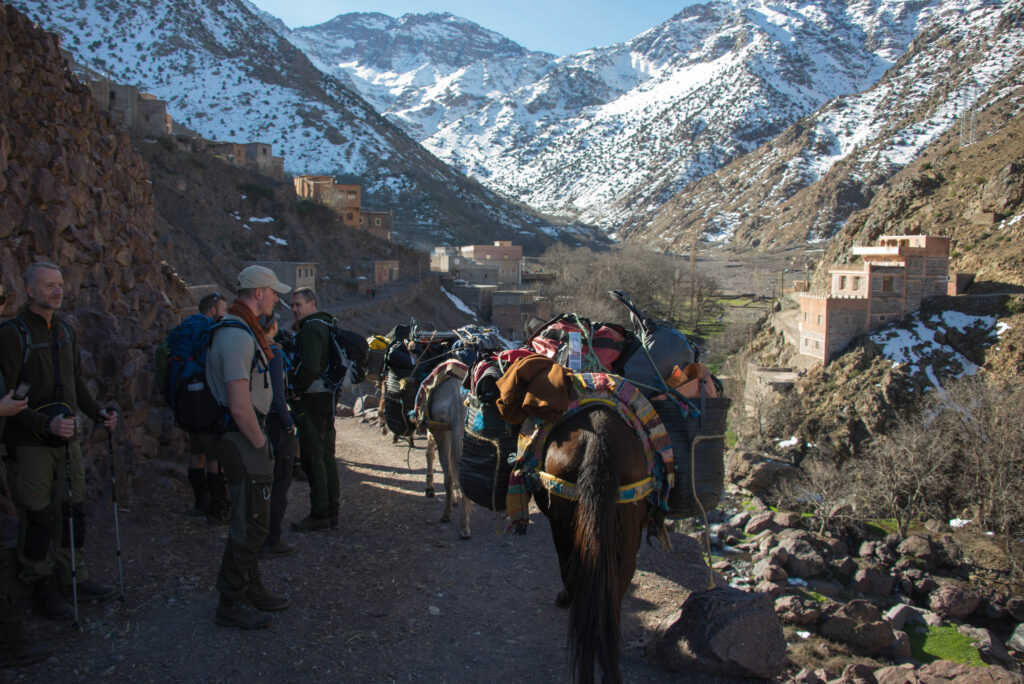
One key element in the logistics of the Mount Toubkal trek involves arrangements for mule transport. This service is essential for those who prefer not to carry heavy backpacks along the challenging trails. Mules can transport essential gear, including camping equipment and personal belongings, allowing trekkers to focus on the hike without the burden of excess weight. It is advisable to arrange for mule transport in advance, ideally through local trekking agencies, to ensure availability and a smooth experience.
Meal provisions are another critical consideration. Trekkers typically have options for both self-catering and arranged meals during the hike. Many trekking companies provide food packages that include breakfast, lunch, and dinner at various camps. Depending on the service chosen, meal arrangements can vary significantly in quality and cost. It is crucial to communicate dietary preferences and restrictions to ensure that meals are adequate and enjoyable.
Overnight stays at refuges present another aspect of trail logistics. There are several accommodations along the route, ranging from basic mountain huts to well-equipped lodges. Reservations are recommended, especially during peak trekking seasons, to secure a place to rest after a long day on the trails. Costs associated with these accommodations can vary, so it is essential to factor this into your overall trek budget.
Overall, the coordination of mule transport, meal arrangements, and lodging significantly impacts the overall experience of the Mount Toubkal trek. Understanding these logistical considerations helps trekkers prepare adequately for the trail, contributing to a memorable adventure.
Local Currency and Trail Considerations
When embarking on a trek to Mount Toubkal, one important aspect to consider is the availability of local currency. Having cash on hand can significantly enhance your trek experience, as there are various points along the trail where small transactions are not only beneficial but necessary. For instance, at specific trail stops, you may need to purchase refreshments, snacks, or even local handicrafts. While larger establishments may accept credit cards, many smaller vendors rely solely on cash transactions, making it crucial to be prepared.
While trekking the Toubkal route, you will encounter several villages where local vendors sell supplies and souvenirs. It is advisable to keep a small amount of Moroccan Dirhams, as many of these vendors may not have the capability to accept card payments. Therefore, as a part of your Mount Toubkal guide, ensure you acquire cash from ATMs in larger towns, such as Imlil, before starting your ascent.
In addition to ensuring you have enough cash for purchases, understanding and respecting local cultural practices is essential while interacting with vendors and locals. A friendly greeting typically goes a long way in establishing a positive rapport. Learning a few basic phrases in Arabic or Berber can enhance your interactions and reflect consideration for their culture. Moreover, being aware of cultural norms, such as negotiating prices respectfully and appreciating their goods, will help in fostering good relationships with local inhabitants.
In summary, having local currency handy while trekking Mount Toubkal not only facilitates small transactions but also enriches your cultural interactions. By preparing cash ahead and being mindful of local customs, trekkers can ensure a smoother and more immersive experience on this magnificent journey.
Table of Contents