Less Crowded Hikes in Morocco
When it comes to Morocco mountain trekking holidays, many hikers often gravitate towards well-trodden paths such as those leading to Mount Toubkal. However, for those seeking a more tranquil experience, exploring less crowded hikes in Morocco can reveal stunning landscapes and vibrant cultures rarely seen by the average tourist. One such hidden gem is the Adrar N’Asat, which offers an exceptional hiking experience.
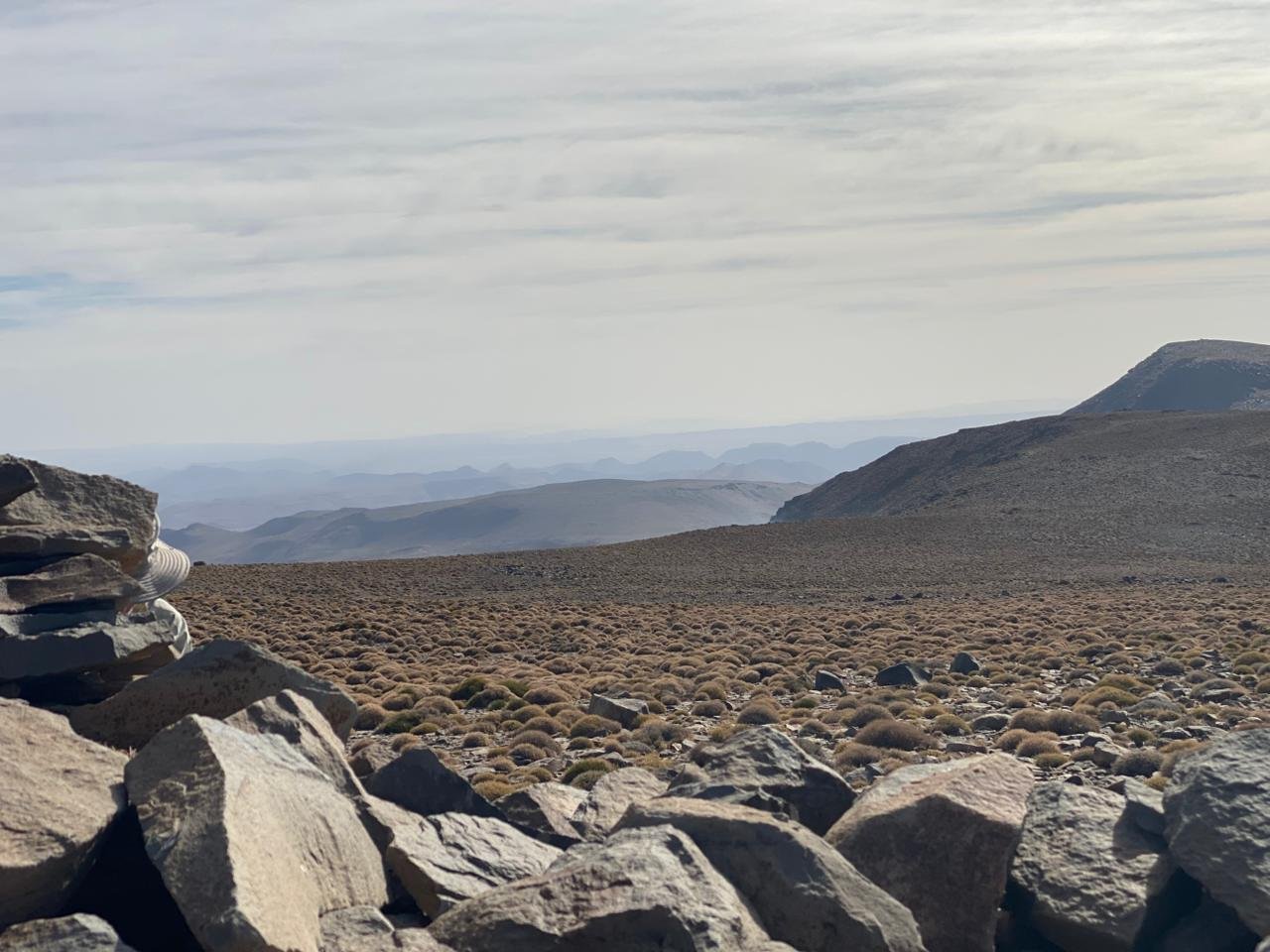
Adrar N’Asat presents a unique opportunity for trekkers eager to immerse themselves in the serene beauty of the Atlas Mountains. Unlike the bustling trails of popular summits, hiking in this area allows for a more peaceful and reflective experience in nature. The panoramic views from various vantage points along the trail showcase an untouched wilderness, inviting hikers to appreciate the rugged terrain and the unique flora and fauna that populate the region.
Moreover, one of the most enriching aspects of trekking in the Adrar N’Asat area is the chance to interact with local Berber communities. These villages provide a glimpse into the traditional way of life of the Berber people, characterized by warm hospitality and rich customs. Engaging with locals, whether through shared meals or storytelling, enhances the trekking experience, creating lasting memories and a deeper appreciation for Moroccan culture.
For those planning their hiking routes, it is advisable to visit during the spring or autumn months. These periods not only yield favorable weather conditions but also attract fewer tourists, allowing trekkers to enjoy the solitude of the trails. When embarking on your adventure, consider bringing along local guides who can not only help navigate the trails but also share valuable insights about the region’s cultural heritage.
In conclusion, exploring less crowded hikes in Morocco, particularly in the Adrar N’Asat region, offers trekkers a tranquil alternative to the busier hiking routes. This experience fosters a deeper connection with both nature and the vibrant local culture, making it a fantastic option for those looking to enrich their understanding of Morocco’s diverse landscapes and peoples.
Atlas Mountains Trekking Itineraries
For those seeking an adventurous escape, the Atlas Mountains in Morocco present an ideal backdrop for memorable treks. In particular, the Jbel Asat region offers unique mountain trekking holidays that cater to various skill levels and time constraints. Here, we explore two major itineraries: a shorter 1-to-2 day summit trek and a more comprehensive 3-to-4 day village circuit, allowing trekkers to experience the stunning landscapes and rich culture of the area.
The first itinerary, designed for those who wish to embrace the thrill of reaching a summit, spans 1 to 2 days. This trek typically begins from a base camp located in a nearby village. The ascent to the summit of Jbel Asat covers approximately 10 kilometers, featuring rugged terrain with a variety of landscapes, including rocky paths and lush meadows. Trekkers can expect to spend about 6-8 hours on the trail, depending on their pace and the weather conditions. Key points of interest along this route include breathtaking panoramic views and opportunities to spot local wildlife.
Les 3-to-4 day village circuit offers a more immersive experience, allowing hikers to visit traditional Berber villages, interact with local communities, and enjoy the scenic beauty at a more leisurely pace. This route covers a distance of approximately 30 kilometers, with daily hikes ranging from 6 to 10 kilometers. Each day includes less-strenuous segments that facilitate ample time to explore and enjoy the surroundings. Highlights along this journey include discovering ancient farming techniques, visiting local artisans, and enjoying traditional Moroccan meals. This itinerary is well-suited for adventurers looking for less crowded hikes in Morocco.
Preparation is essential for both trekking itineraries. It is recommended that participants bring proper hiking gear, sufficient water, and snacks, as well as familiarize themselves with the terrain before embarking on their journey. Additionally, consider checking the weather conditions and obtaining a local guide if needed.
Morocco Mountain Trekking Holidays
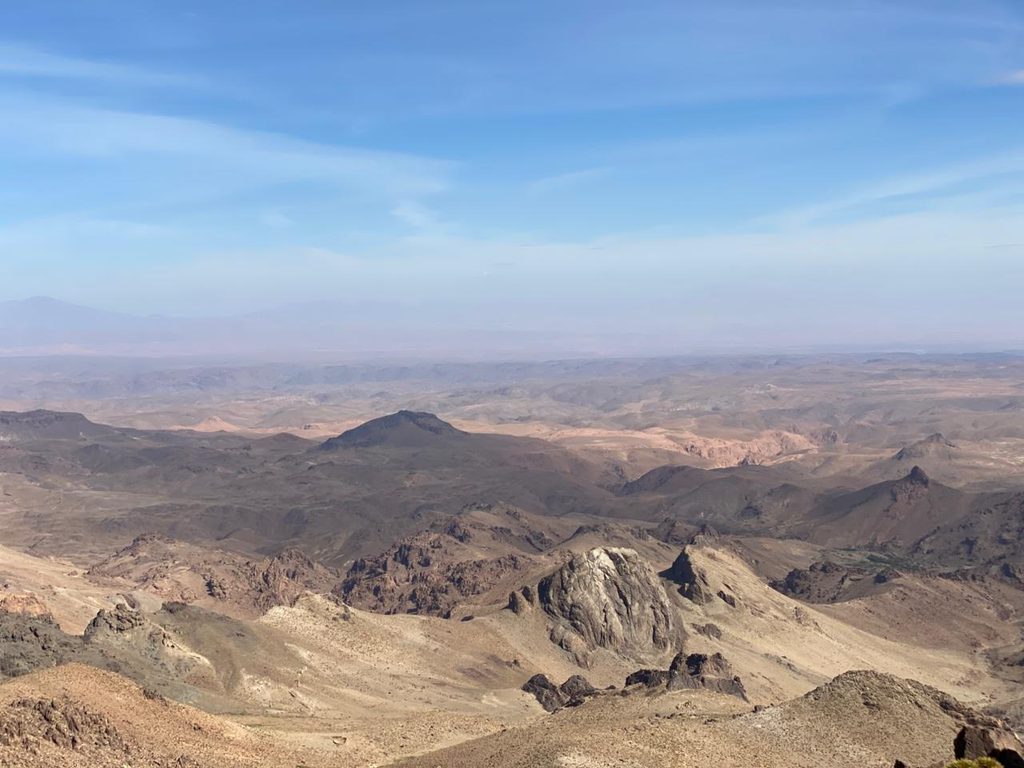
When planning a trip for Morocco mountain trekking holidays, several essential considerations can enhance the experience. The best months for trekking typically span from April to June and September to November, when the weather is generally mild and the trails are less crowded. During these months, the climate is ideal for exploring the stunning landscapes of the Atlas Mountains.
Transportation in Morocco is quite accessible, especially from major cities such as Marrakech or Agadir. Numerous options are available for reaching trekking starting points, including shared taxis, buses, or private transfers. Each option suits different budgets and preferences, allowing travelers to tailor their journey according to their comfort levels and financial considerations.
One significant advantage of embarking on Morocco mountain trekking holidays is the opportunity to hire local guides. These individuals possess invaluable knowledge of the terrain, culture, and regional history, enabling trekkers to gain a deeper appreciation of their surroundings. Additionally, local guides can enhance safety and efficiency, ensuring that participants navigate challenging trails with confidence.
Accommodation plays a pivotal role in the trekking experience. Many hikers opt to stay in traditional gîtes d’étape, which provide a unique cultural immersion and offer basic amenities tailored to trekkers. This type of lodging fosters connections with fellow travelers and local communities, enriching the experience of exploring less crowded hikes in Morocco.
As for packing, a well-thought-out gear list is essential for a successful trekking adventure. Key items include durable hiking boots, weather-appropriate clothing, a reliable backpack, water purification methods, and adequate food supplies. Attention to safety considerations, such as altitude acclimatization and staying hydrated, significantly impacts the overall enjoyment of the trek.
The Unique Flora and Fauna of the Adrar N’Asat Region
The Adrar N’Asat region in Morocco serves as a remarkable example of biodiversity, exhibiting a vibrant array of flora and fauna that contributes to the lush ecological tapestry of the Atlas Mountains. This area is characterized by its unique climatic conditions, which create an environment suitable for various plant species, many of which are endemic to the region. Trekkers engaging in Morocco mountain trekking holidays are bound to encounter a rich assortment of plant life, including various species of oak, juniper, and thyme, which are particularly adapted to thrive in the rocky mountainous terrain.
The altitude and varying temperatures within the Atlas Mountains give way to distinct vegetation zones. As hikers ascend, they can observe the gradual transition of plant communities, from fruit-bearing shrubs to hardy alpine flora that manage to survive in harsh conditions. These ecological conditions highlight the importance of conservation efforts, as the unique plant species are not only significant to the local ecosystem but also support a variety of animal life.
Regarding fauna, the Adrar N’Asat region is home to numerous wildlife species, including the endangered Barbary macaque, which is emblematic of the Moroccan wildlife. Additionally, the mountains are populated by various birds of prey, such as golden eagles and buzzards, which glide gracefully through the airs. Understanding the presence of such wildlife enriches the trekking experience; every sighting becomes a part of the larger narrative of the region’s biodiversity. The significance of preserving these ecosystems cannot be overstated, as they play a critical role in maintaining ecological balance and supporting local communities who live in harmony with nature.
Overall, the distinctive flora and fauna of the Adrar N’Asat region enhance the allure of Atlas Mountains trekking itineraries by offering trekkers an opportunity to connect deeply with the natural world. Those seeking less crowded hikes in Morocco will undoubtedly find that immersing themselves in this rich biodiversity is both a rewarding and enlightening experience.
Cultural Highlights of Berber Villages
The Berber villages surrounding Jbel Asat offer a vibrant glimpse into the rich cultural heritage of Morocco. Known for their distinctive architecture and warm hospitality, these communities provide a unique opportunity for travelers to engage with local traditions. When exploring these villages during your Morocco mountain trekking holidays, it is essential to approach with respect and openness, allowing an authentic exchange of cultural practices.
Traditionally, Berber people have maintained a strong connection with their land, relying on sustainable agriculture and livestock for their livelihoods. Many villages are known for their intricate craftsmanship, which includes weaving, pottery, and jewelry making. Visitors to these settlements can witness artisans at work, using age-old techniques passed down through generations. Participating in workshops offers a hands-on experience and deepens the appreciation for the skills involved in creating these cultural artifacts.
The communal lifestyle of the Berber people emphasizes cooperation and tradition. Heritage festivals, often centered around agricultural cycles, are lively events where music, dance, and storytelling are integral parts of social life. Travelers on Atlas Mountains trekking itineraries may find themselves invited to such gatherings, experiencing the vibrant spirit and unity of the community firsthand. Respectful interactions not only enrich the trekking experience but also foster connections that can last well beyond the holiday.
Moreover, many Berber villages have developed initiatives aimed at promoting sustainable tourism while preserving their cultural identity. By supporting these efforts, hikers can contribute to the maintenance of local traditions while exploring less crowded hikes in Morocco. Engaging with Berber communities not only enhances the trekking adventure but ensures that their invaluable heritage is respected and sustained for future generations.
Safety Tips for Hiking in the Atlas Mountains
When embarking on a hiking adventure in Morocco’s Atlas Mountains, ensuring your safety is a paramount concern. The unique landscapes and varied terrains provide stunning views but also pose challenges that hikers must navigate. Proper preparation and an understanding of the local environment can significantly enhance your trekking experience.
First and foremost, it’s crucial to prepare for the changing weather conditions that are characteristic of the Atlas Mountains. The weather can shift rapidly, and temperatures can vary drastically between day and night. Before setting out, check local forecasts and be sure to dress in layers, which will allow you to adjust your clothing according to the weather as it changes. Additionally, it is advisable to bring waterproof gear in case of unexpected rain, as well as sun protection such as hats and sunscreen.
Another essential aspect of hiking in the Atlas Mountains is wildlife awareness. While many animals in this region tend to avoid human contact, hikers should remain vigilant about their surroundings. Familiarize yourself with the local wildlife, including any potentially hazardous species. Being aware of your environment is essential for safety, especially in more remote areas where animal encounters may occur.
Furthermore, navigation is a critical component of any trek in this vast mountain range. Many trails are remote and not well-marked, making it easy to get lost. It’s highly recommended to carry a reliable map along with a compass or GPS device. Learning basic navigation skills will ensure you can track your route effectively. Additionally, consider joining a guided tour, as local guides can provide valuable insights into the environment and help prevent common misadventures.
In summary, when planning your Morocco mountain trekking holidays, prioritize safety by preparing for weather variability, staying aware of wildlife, and ensuring proper navigation. These practices will not only protect you during your journey but also allow for a more enjoyable experience as you explore the less crowded hikes in Morocco’s stunning Atlas Mountains.
What to Expect: Weather Conditions in the Atlas Mountains
The Atlas Mountains, a prominent range in Morocco, feature a diverse climate that varies significantly depending on the elevation and the season. Understanding the weather conditions is crucial for anyone considering a hiking adventure, especially those looking into Moroccan mountain trekking holidays. Generally, the region experiences four distinct seasons, each bringing its own unique weather patterns.
During the spring months of March to May, hikers can expect mild temperatures and blooming flora, making it an ideal time for outdoor activities. This season typically sees daytime temperatures ranging from 15°C to 25°C (59°F to 77°F), creating perfect conditions for Atlas Mountains trekking itineraries. As the snow recedes, the trails become accessible, revealing stunning landscapes ideal for exploration.
Summer months, particularly June to August, can be significantly warmer. Daytime temperatures may soar above 30°C (86°F) in lower regions, but the higher altitudes of the Atlas Mountains still offer cooler temperatures due to elevation. It is advisable for trekkers to plan hikes during the early morning or late afternoon to avoid the midday heat. Water and sun protection are essential during this period, as the sun can be quite intense.
Autumn, from September to November, mirrors spring’s mildness and is another excellent time for trekking. Temperatures start to drop, ranging from 10°C to 20°C (50°F to 68°F), while vibrant foliage enhances the scenery. Finally, winter, especially from December to February, brings colder temperatures, and snowfall can make higher trails challenging. Trekkers should prepare for harsher conditions if they choose to hike during this time, especially in areas experiencing less crowded hikes in Morocco, where temperatures can plummet at night.
Hiking Gear Essentials for Your Journey
For an enjoyable and safe experience during your Morocco mountain trekking holidays, it is crucial to equip yourself with the appropriate hiking gear. Proper preparation not only enhances your comfort but also ensures your safety as you venture through the stunning landscapes of the Atlas Mountains. Below is a comprehensive checklist of essential items to consider for your hiking trip to Jbel Asat.
Clothing: The first step in preparing for your journey is selecting the right clothing. Opt for lightweight, moisture-wicking layers to maintain comfort as temperatures can vary throughout the day. A good base layer, an insulating layer, and a windproof jacket are advisable. Moreover, consider wearing breathable hiking pants rather than shorts to protect against scratches and insect bites.
Footwear: Quality footwear is paramount for mountain trekking. Invest in a pair of sturdy hiking boots that provide ample ankle support and good traction. Make sure to break them in before your trip to avoid blisters. Alongside the boots, consider bringing a pair of comfortable sandals or camp shoes for relaxing after a day of hiking.
Food Supplies: When planning your itineraries for trekking in the Atlas Mountains, packing sufficient food is essential. Aim for lightweight and high-energy snacks such as nuts, energy bars, and dried fruits. Additionally, bring a reliable portable water purification system to ensure that you remain hydrated. A refillable water bottle is also a practical choice.
Safety Equipment: Safety should be a priority during your trekking adventure. Carry a small first-aid kit equipped with band-aids, antiseptic wipes, and any personal medications. A headlamp with extra batteries, a multi-tool, and a whistle are also recommended for emergencies. Finally, a map and compass or a GPS device can be invaluable for navigation, especially on less crowded hikes in Morocco, where trails may not be well-marked.
By adequately preparing with the right hiking gear, you can fully enjoy the breathtaking experiences awaiting you on your trek to Jbel Asat. Each item on this checklist plays a significant role in ensuring a safe and memorable adventure in the heart of Morocco’s majestic landscapes.
The Impact of Responsible Tourism in the Area
As the popularity of experiences such as Morocco mountain trekking holidays continues to grow, so too does the need for responsible tourism practices. Engaging in activities like hiking in the Adrar N’Asat region offers unique opportunities to explore the breathtaking beauty of the Atlas Mountains while also supporting local communities and preserving the environment. Responsible tourism emphasizes the importance of sustainable travel, where the impact on local culture, economy, and ecology is profoundly considered.
One vital aspect of responsible tourism is the concept of leaving no trace. Hikers are encouraged to minimize their ecological footprint by taking proactive steps to protect the pristine landscapes they enjoy during their adventures. This includes not only proper waste disposal but also sticking to established trails to prevent soil erosion and damage to local flora. By promoting such practices, trekkers contribute to the conservation of less crowded hikes in Morocco, ensuring that these natural sites remain unspoiled for future generations to appreciate.
In addition to environmental considerations, supporting local businesses plays a crucial role in fostering responsible tourism. Tourists can make a positive impact by choosing to stay in locally-owned accommodations, dining at traditional eateries, and purchasing handicrafts from regional artisans. This approach can enhance the overall travel experience while directly benefiting the community, promoting economic sustainability in areas heavily reliant on tourism.
Through conscientious travel decisions, hikers can help ensure that their adventures are beneficial for both themselves and the regions they explore. It nurtures a sense of connection between individuals and the local culture, contributing to a richer trekking experience. Ultimately, embracing responsible tourism not only enhances personal enjoyment during trekking but also reinforces a commitment to protecting natural wonders and supporting community livelihoods in Morocco’s stunning landscapes.
Table of Contents